

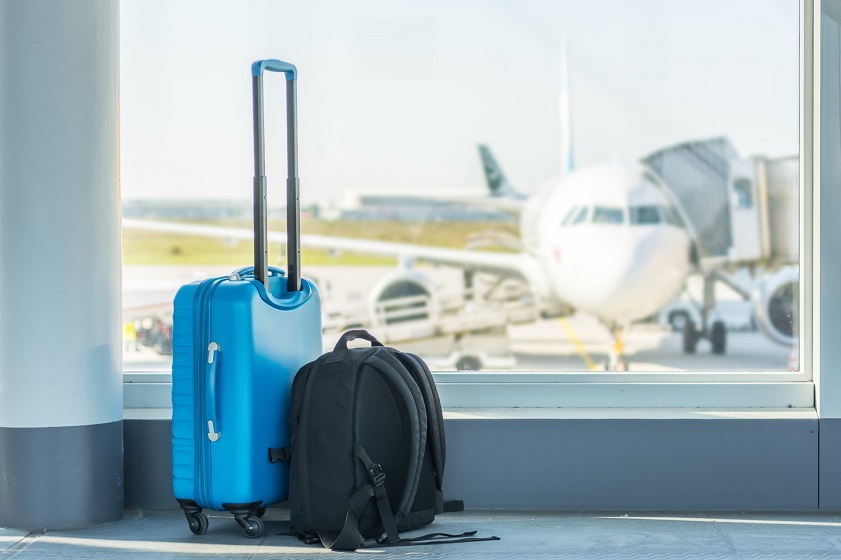
Experienced travelers know that air travel is as much about strategy as it is about comfort. Small choices can drastically improve the overall journey, from check in to arrival. These insights reflect seasoned traveler advice that balances efficiency, comfort, and preparedness, offering techniques that transform stressful flights into smooth, controlled experiences.
Book Flights at Strategic Times
Timing influences both cost and comfort. Midweek flights often carry lower fares and less crowded cabins than weekend departures. Early morning departures minimize the risk of delays and allow for quicker airport navigation. Planning flights around optimal times enhances both budget and ease of travel, making each journey more predictable and enjoyable.
Research Seat Options Carefully
Seat selection impacts every aspect of the flight experience. Window seats provide undisturbed views and rest, while aisle seats offer quick access to lavatories and greater mobility. Bulkhead or exit row seats often provide extra legroom and a chance to stretch. Understanding seat layouts and amenities in advance helps travelers secure positions that maximize comfort and convenience.
Pack Light but Thoughtfully
Overpacking complicates navigation through airports and increases stress. Utilizing versatile, lightweight clothing and essential items only streamlines the journey. Efficient packing also protects luggage integrity and ensures that essential belongings remain accessible. Experienced travelers recommend packing cubes or pouches to maintain order and avoid rummaging through the bag repeatedly.
Prepare Documents and Essentials in Advance
Accessing passports, boarding passes, and identification should be effortless. Keeping these documents in a dedicated pouch prevents delays at security and check in. Mobile backups complement physical copies, offering an extra layer of security. Organization of essentials reduces last minute scrambling and promotes a smooth start to the trip.
Embrace Technology Wisely
Airline apps, real time flight trackers, and mobile boarding passes simplify the travel experience. Notifications of gate changes, delays, or baggage updates provide immediate clarity. Using technology strategically ensures travelers remain informed and adaptable. Staying connected to relevant updates mitigates surprises and empowers decision making.
Maintain Health During the Flight
Air travel can affect energy levels and wellness. Hydration, light movement, and balanced snacks keep the body comfortable and alert. Stretching in the aisle and micro exercises at the seat prevent stiffness and maintain circulation. Health conscious habits contribute to a more pleasant journey and faster recovery upon arrival.
Create a Personal Comfort Zone
Small adjustments enhance in flight comfort. Neck pillows, blankets, eye masks, and noise cancelling headphones transform the seating area into a more controlled environment. Familiar items help maintain relaxation and mitigate stress. Personal comfort measures allow travelers to rest, read, or work without distraction.
Use Security Efficiently
Seasoned travelers approach security with preparation. Removing liquids and electronics ahead of time and wearing easily removable shoes speeds the process. Travelers who anticipate requirements reduce waiting time and minimize friction with staff. Efficient navigation through security checkpoints supports a calm and composed mindset.
Track Luggage and Protect Valuables
Smart luggage tracking and careful organization protect possessions. Essential items such as electronics, jewelry, or travel documents remain in carry on bags. TSA approved locks, distinctive tags, and careful labeling reduce the risk of lost or misplaced luggage. Thoughtful luggage management ensures belongings arrive safely and securely.
Plan for Layovers and Connections
Layovers can be stressful if not managed correctly. Experienced travelers select flights with sufficient time between connections and research terminal layouts in advance. Knowing the location of lounges, gates, and services eases navigation and reduces anxiety. Planning layovers strategically allows for smooth transitions and reduces the risk of missed flights.
Monitor Airport Amenities
Airports provide opportunities for relaxation and replenishment. Identifying lounges, quiet zones, and accessible food options enhances the waiting experience. Even brief visits to these areas improve comfort and mental readiness for boarding. Strategic use of airport amenities reflects careful planning and foresight.
Avoid Common Mistakes
Mistakes such as arriving late, misplacing documents, or underestimating baggage allowances often cause stress. Double checking flight details, luggage weight, and boarding times prevents complications. Seasoned travelers anticipate potential pitfalls and plan contingencies, maintaining control throughout the journey.
Practice Patience and Flexibility
Travel rarely unfolds perfectly. Delays, gate changes, or weather disruptions are common. Remaining calm and adaptable allows travelers to respond effectively without panic. Flexibility in approach transforms challenges into manageable tasks and supports a positive travel experience.
Maintain a Travel Journal or Checklist
Recording packing essentials, flight details, and travel routines improves consistency and reduces errors. A checklist ensures all necessary items are addressed and that processes are followed efficiently. This practice minimizes oversight and reinforces systematic travel habits.
If you want this expanded into a guide specifically for frequent flyers or international travel, it can be refined further.
About the Author


