

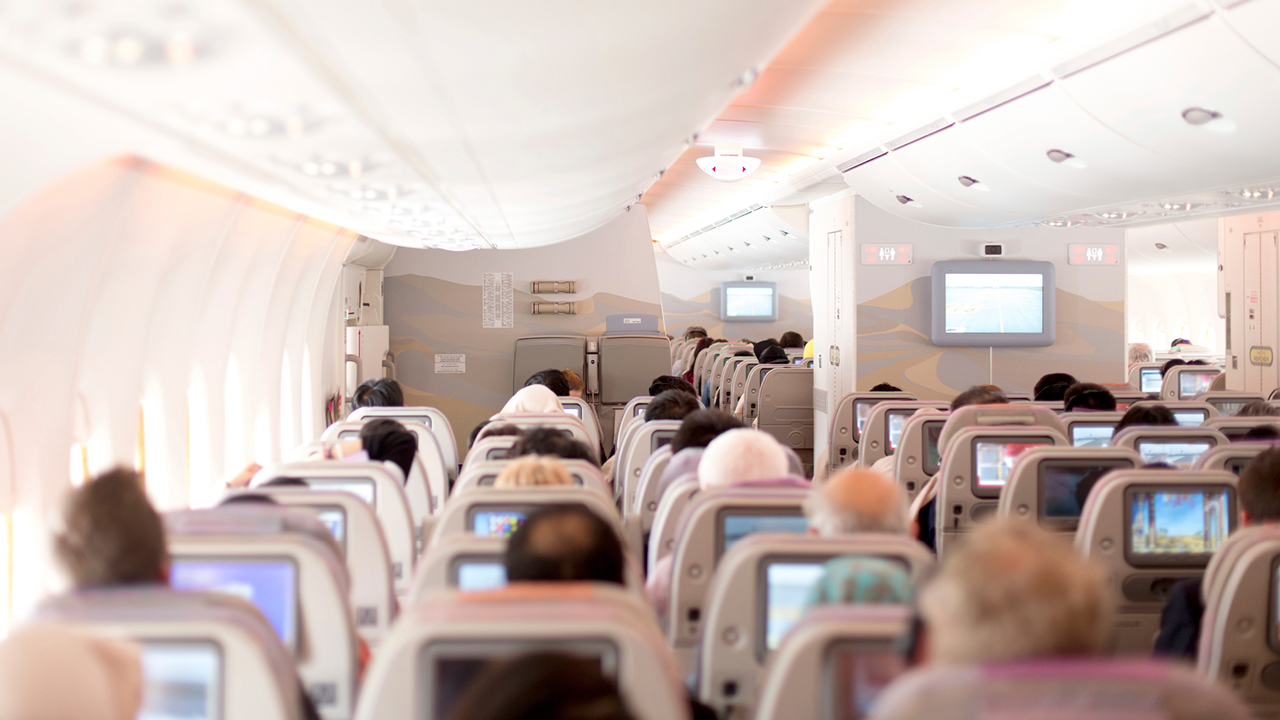
Air travel can be more than just a necessary means of transportation; it can become an efficient, comfortable, and even enjoyable experience when approached with foresight. Passengers who plan deliberately, anticipate challenges, and manage their time strategically can truly maximize air travel. By focusing on organization, comfort, and proactive decision making, every journey can become smoother, less stressful, and more productive.
Plan Flights Strategically
Booking flights at optimal times reduces stress and enhances convenience. Early morning departures often face fewer delays, while midweek flights may offer quieter terminals and lower fares. Evaluating connecting flights carefully prevents rushed transfers and minimizes the risk of missed connections. Planning with foresight allows travelers to shape the journey according to personal priorities rather than leaving comfort and efficiency to chance.
Choose Seats Thoughtfully
Seat selection significantly influences comfort and productivity. Window seats offer uninterrupted views and a sense of privacy, while aisle seats provide mobility for stretching and easier access to lavatories. Bulkhead and exit row seats often grant extra legroom and space for movement. Researching seating options beforehand allows travelers to select arrangements that align with personal comfort and activity needs, creating a more enjoyable in flight experience.
Optimize Packing for Convenience and Security
Efficient packing reduces both physical and mental strain. Lightweight, organized luggage makes maneuvering through terminals simpler. Utilizing packing cubes, pouches, and compartments ensures essentials remain accessible, while adhering to airline restrictions prevents costly surprises. Important items such as electronics, documents, and valuables should remain in carry on luggage, ensuring they are protected and readily available throughout the journey.
Prepare Documents and Essentials in Advance
Having travel documents, boarding passes, and identification readily accessible avoids last minute confusion at security checkpoints. Using a dedicated pouch or travel wallet for all essentials streamlines movement through airports. Backing up documents digitally provides an extra layer of security. Organization at this stage sets the tone for the entire trip and minimizes unnecessary stress.
Maintain Health and Comfort During the Flight
Long hours in confined spaces can challenge the body and mind. Staying hydrated, moving periodically, and consuming light, balanced meals helps maintain energy and alertness. Stretching in the seat, walking when possible, and adjusting posture reduces stiffness. Incorporating these small practices enhances comfort and supports both physical and mental well being throughout the flight.
Utilize Technology Effectively
Airline apps, real time flight trackers, and mobile boarding passes provide crucial information and reduce uncertainty. Notifications about gate changes, delays, and baggage updates allow travelers to respond proactively. Using devices strategically enhances control over the journey and ensures smoother transitions from airport to destination.
Create a Personal Comfort Zone
A few simple items can transform a flight into a more restful and enjoyable experience. Neck pillows, blankets, eye masks, and noise cancelling headphones contribute to a controlled and relaxing environment. Familiar items help minimize stress and promote relaxation, allowing travelers to read, work, or rest without distraction.
Take Advantage of Airport Amenities
Airports today offer lounges, quiet zones, and wellness areas designed to improve the travel experience. Utilizing these spaces during layovers or delays provides respite and reduces fatigue. Even brief visits to these facilities can elevate comfort and efficiency, making time spent in transit more productive and enjoyable.
Monitor Flight Information Closely
Gate changes and flight delays are common, and staying alert to announcements and updates is essential. Tracking flight status through airline apps or monitors allows travelers to adjust plans quickly. Awareness and timely response prevent missed boarding and help maintain a sense of control.
Manage Layovers and Connections
Properly timed layovers and well researched connecting flights reduce stress and streamline the journey. Familiarity with terminal layouts and gate locations helps prevent confusion and unnecessary running. Even small preparation in this area improves overall efficiency and contributes to a more relaxed travel experience.
Prioritize Rest and Sleep
Sleep quality affects both physical comfort and mental acuity. Using eye masks, earplugs, or soft blankets enhances the ability to rest during flights. Aligning sleep with the destination’s time zone when possible reduces jet lag and improves readiness upon arrival. Restful travel allows passengers to arrive refreshed and prepared for subsequent activities.
Protect Belongings and Travel with Security in Mind
Luggage management is a key aspect of maximizing air travel. Clearly labeling bags, using TSA approved locks, and tracking important items ensures they arrive safely and without stress. Valuables should remain within reach in carry on bags. Security-conscious practices protect both possessions and peace of mind.
Stay Flexible and Adaptable
Even the best plans encounter unexpected disruptions. Delays, cancellations, or changes in boarding gates are inevitable. Maintaining a calm, adaptable mindset allows travelers to respond efficiently and reduces frustration. Flexibility combined with preparation enables travelers to handle challenges gracefully while maintaining control over the journey.
Incorporate Small Productivity Rituals
Time spent in the air can be utilized effectively. Planning work, reading, journaling, or organizing digital files transforms flight hours into productive sessions. Balancing work and rest during travel increases efficiency without sacrificing comfort. Thoughtful use of in flight time is a hallmark of passengers who truly maximize air travel.
If needed, this article can be expanded to include tips for frequent flyers, long haul journeys, or family travel, providing specialized strategies to further enhance the air travel experience.
About the Author


