

Air travel can feel exhilarating, exhausting, or occasionally chaotic, yet a few strategic habits can transform the entire experience into a smooth comfortable journey. Travelers who prepare with foresight often discover that minor adjustments create major improvements in serenity, efficiency, and personal well being. The following guidance provides a balanced blend of practical advice and refined travel wisdom designed to elevate the atmosphere of any trip.
Choose Optimal Flight Times
Selecting when to fly is one of the most influential decisions a traveler can make. Early morning departures typically encounter fewer delays because aircraft and crew begin their schedules fresh. Airports remain quieter at dawn, offering shorter lines and more tranquil terminal environments. For long haul flights, night departures can help align with natural circadian rhythms, allowing passengers to rest while in the air. Proper timing also helps mitigate the fatigue commonly associated with packed mid afternoon itineraries.
Prioritize Ergonomic Seating
Seat selection shapes comfort more than most realize. Passengers who crave additional legroom may opt for bulkhead or exit row seats, though these locations come with unique restrictions. Window seats support uninterrupted rest, while aisle seats allow greater mobility. Travelers sensitive to noise may prefer positions near the front of the aircraft, away from galley commotion. Modern booking platforms often provide seat maps that hint at recline limitations or proximity to lavatories, empowering flyers to curate their own onboard environment thoughtfully.
Streamline the Packing Strategy
Packing with precision nurtures a sense of order. A carry on bag organized with packing cubes removes the frustration of rummaging mid flight. Ensuring that essential items are easily accessible creates a more harmonious experience. Place a light sweater, water bottle, travel documents, lip balm, and a compact hygiene kit in an exterior pocket. Overpacking increases stress and limits flexibility, whereas a minimalist yet intentional approach creates space for fluid movement throughout the journey.
Prepare for Security with Foresight
Security checkpoints present some of the most unpredictable moments in air travel. To move through quickly, organize electronics in a single compartment, wear slip on footwear, and store liquids in a transparent pouch. Remove metal accessories before reaching the conveyor belt. Travelers who adopt these habits reduce wait times and avoid unnecessary delays. Efficiency at security also preserves energy for the remainder of the travel day.
Cultivate In Flight Comfort
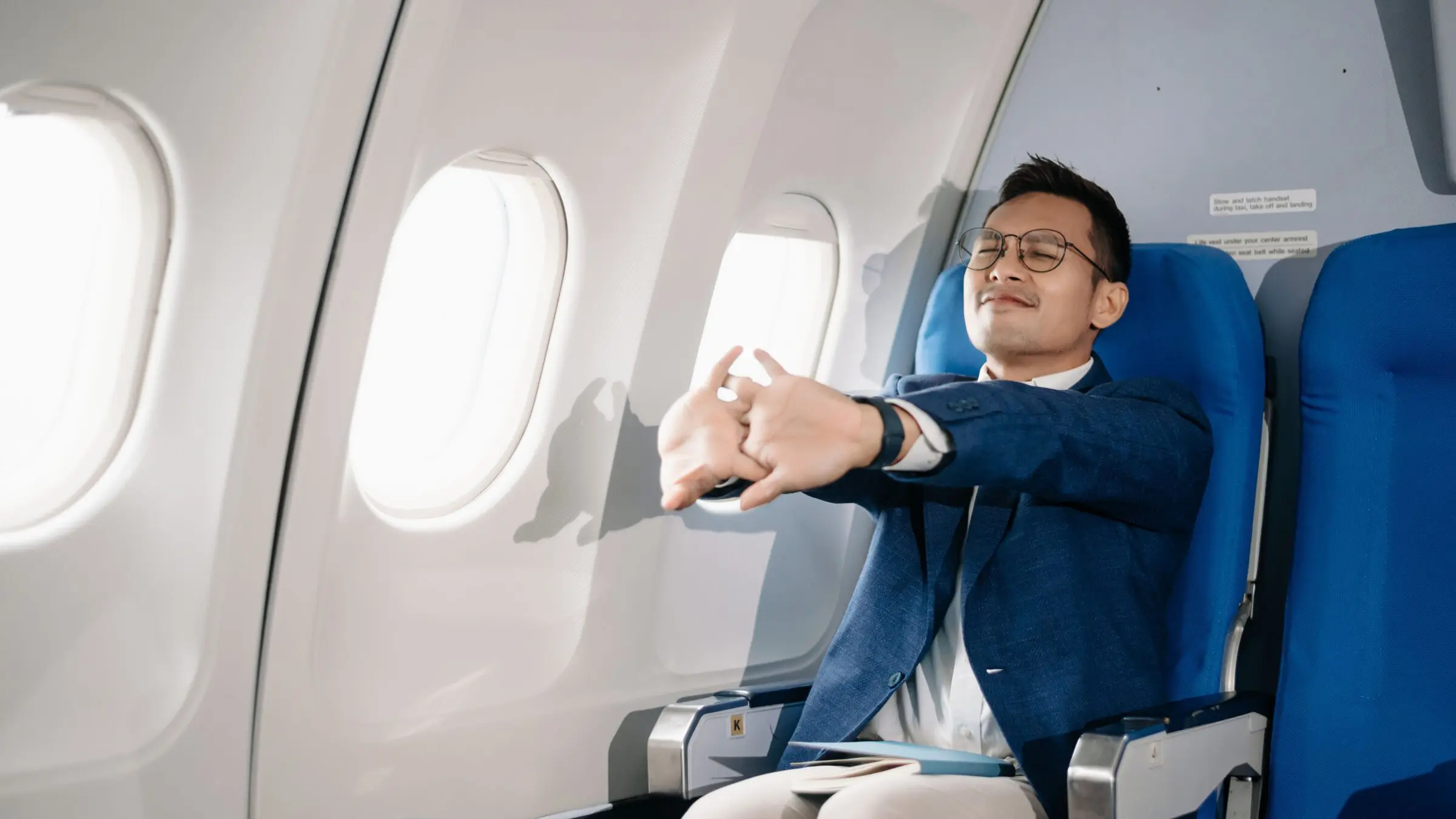
Once on board, comfort depends on small adjustments that compound over time. Gentle stretching keeps circulation active. Hydration is paramount because cabin air is notoriously arid. Infusing the body with plenty of water combats fatigue and dryness. A soft neck pillow and lightweight blanket help maintain body alignment. Some passengers find it beneficial to wipe down armrests and tray tables, creating a clean microenvironment that feels more personal and pleasant. Noise canceling headphones also assist in cultivating an oasis of calm amid ambient cabin sounds.
Optimize Your Nutrition
Food choices influence how the body responds to lengthy travel. Heavy meals may lead to sluggishness, while overly salty snacks contribute to dehydration. Light fare such as fruit, simple sandwiches, or nutrient rich bars delivers sustained energy without discomfort. Bringing personal provisions is particularly helpful on shorter flights where complimentary meals are unavailable. Caffeine can be useful in moderation, though excessive consumption may disrupt sleep and increase restlessness.
Practice Mindful Travel Etiquette
Smooth interactions with fellow travelers elevate the ambiance of the cabin. Respectful behavior fosters collective well being. Keep personal belongings contained so overhead bins remain usable for all. Avoid abrupt seat reclining, especially during meal service. Maintain a considerate speaking volume. Even small gestures like allowing others to pass in the aisle or offering a friendly greeting can create surprising harmony among passengers.
Utilize Digital Tools Wisely
Modern travel applications simplify navigation through airports and flight schedules. Mobile boarding passes reduce the need for paper documents and streamline check in. Flight tracker alerts keep passengers informed about gate changes or minor delays. Offline entertainment downloads prepare travelers for periods without internet connectivity. Many airlines also provide digital customer support, enabling swift adjustments to reservations when unforeseen changes arise.
Adjust to Time Zones with Intention
Crossing time zones can unsettle the body. Setting a watch to the destination time upon boarding subtly prepares the mind for rhythm adjustment. Exposure to natural light upon arrival accelerates adaptation to local timing. Brief naps can be restorative, but long daytime sleep may prolong jet lag. Balanced movement and hydration further support a stable transition.
Keep Personal Space Serene
Curating a calm personal space is invaluable. A small pouch containing earplugs, a sleeping mask, aromatherapy wipes, or reading material creates a sense of ritual and control. Passengers who maintain an organized seat pocket often feel more grounded. The ability to reach for what is needed without disruption fosters relaxation during every phase of the flight.
Stay Attuned to Your Well Being
Monitoring physical and mental needs while traveling promotes resilience. If restlessness arises, gentle breathing exercises can reestablish equilibrium. If anxiety appears, grounding techniques such as observing rhythmic engine sounds or focusing on the sensation of seated support can help restore calm. Maintaining internal balance contributes significantly to travel satisfaction.
Let me know if you want this adapted into a downloadable format or expanded for a travel guide.
About the Author


