

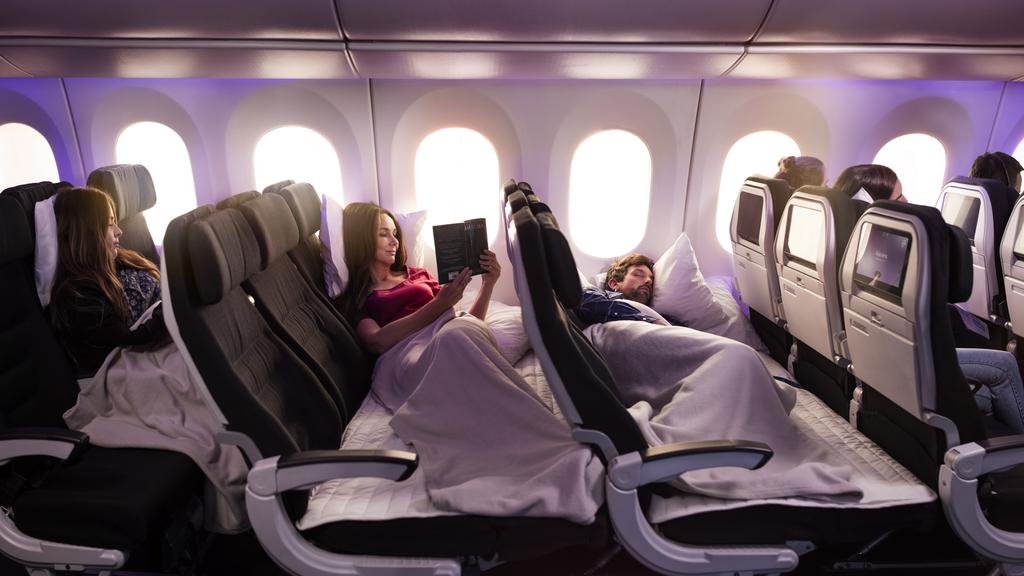
Air travel affects the body and mind in subtle yet significant ways, making preparation essential for a pleasant experience. Comfort in the air depends on strategic choices, thoughtful routines, and attention to personal needs. Whether the journey is short or spans several hours, small adjustments help transform a standard flight into a more restorative and enjoyable experience. Building habits that support relaxation, ease, and adaptability creates a smoother travel rhythm shaped by maximum travel comfort principles that elevate every stage of the journey.
Select the Right Seat for Your Needs
Seat location plays a critical role in overall comfort. Travelers who value mobility often prefer aisle seats, while those seeking uninterrupted quiet may gravitate toward window seats. Bulkhead and exit row seating provide additional legroom that supports better posture and reduces fatigue. Choosing seats early increases the likelihood of securing a preferred arrangement. Strategic seat selection contributes to a personalized travel environment that aligns with individual comfort priorities.
Wear Clothing Designed for Movement and Ease
Comfortable attire influences relaxation significantly. Soft fabrics, breathable materials, and flexible layers help regulate body temperature while allowing freedom of movement. Avoid restrictive clothing that limits circulation or causes irritation during long periods of sitting. A light jacket or wrap provides versatility when cabin temperatures fluctuate. Dressing with intention enhances physical ease and reduces unnecessary discomfort.
Stay Hydrated Throughout the Flight
Cabin air is notably dry, leading to dehydration faster than many travelers expect. Drinking water consistently during the flight maintains clarity, energy, and physical balance. Bringing an empty bottle through security and filling it before boarding ensures access to hydration without relying solely on in flight service. Avoid excessive caffeine and alcohol, as both contribute to dehydration and may disrupt comfort.
Use Thoughtful Support Accessories
Accessories designed for in flight relaxation help reduce strain on the body. A supportive neck pillow stabilizes the head and alleviates tension in the shoulders. Travel blankets, soft socks, and small lumbar cushions enhance comfort further. Eye masks and earplugs create a tranquil setting ideal for rest. Incorporating these items into the travel routine encourages restorative moments during the journey.
Move and Stretch When Possible
Sitting for long periods restricts circulation and contributes to stiffness. Taking brief walks when the aisle is clear helps stimulate blood flow and improves overall well being. Gentle stretches, such as ankle rotations, shoulder lifts, and subtle torso twists, can be done without leaving the seat. Frequent micro movement prevents discomfort and keeps the body energized throughout the flight.
Curate Your Personal Entertainment
Thoughtful entertainment makes long flights feel shorter. Downloading movies, music, podcasts, or reading material creates a personalized experience tailored to your interests. Noise reducing headphones enhance immersion and limit disturbance from surrounding passengers. Blending relaxation with mental stimulation helps maintain a balanced and enjoyable travel rhythm.
Eat Light, Balanced Foods
Heavy meals tend to create sluggishness and discomfort during flights. Choosing light snacks such as fruit, nuts, or whole grain options keeps hunger at bay without slowing digestion. Bringing your own food ensures you have options that align with your preferences. Balanced eating supports sustained comfort and prevents unnecessary fatigue.
Prepare for Temperature Variations
Temperature changes are common throughout the cabin. Dressing in layers makes it easy to adjust when feeling warm or cool. Lightweight scarves, cardigans, or zippered jackets provide flexibility. Paying attention to comfort cues early prevents larger issues later in the flight. Managing warmth effectively helps maintain relaxation and supports restful moments.
Maintain Good Posture
Prolonged sitting affects spine alignment and muscle tension. Adjusting the seat to a comfortable angle, keeping feet flat on the floor, and using a small pillow for lower back support encourages proper posture. Good alignment prevents aches and reduces stiffness during and after the journey. Conscious posture awareness contributes to continuous ease.
Practice Calm Breathing for Stress Reduction
Airports and flights can generate sensory overload. Practicing slow, intentional breathing creates a soothing effect on the nervous system. This simple technique helps regulate tension and enhances focus. Taking a few quiet moments to breathe deeply can shift the entire travel experience toward relaxation and clarity.
Keep Essentials Within Reach
Organizing personal items in an easily accessible pouch or small bag prevents unnecessary movement during the flight. Essentials such as lip balm, a phone charger, tissues, and hand sanitizer should be kept nearby. Efficient organization supports peace of mind and allows you to settle into your space without repeated adjustments.
Protect Skin from Dryness
Low humidity affects the skin quickly. Applying moisturizer before the flight and reapplying as needed keeps skin comfortable. Hydrating lip balm prevents chapping. A gentle mist spray refreshes the face and restores a sense of vitality. Simple skincare measures reinforce overall comfort and maintain a feeling of freshness.
Create a Rest Friendly Environment
Resting during flights can significantly improve well being upon arrival. Dimming personal lights, reducing screen brightness, and using sleep accessories foster a tranquil environment. Aligning rest with natural rhythms helps reduce fatigue and prepares the body for upcoming activities. A well crafted rest strategy enhances the entire travel experience.
If you’d like adjustments for business travelers, frequent flyers, or long haul journeys, this can be expanded further.
About the Author


