

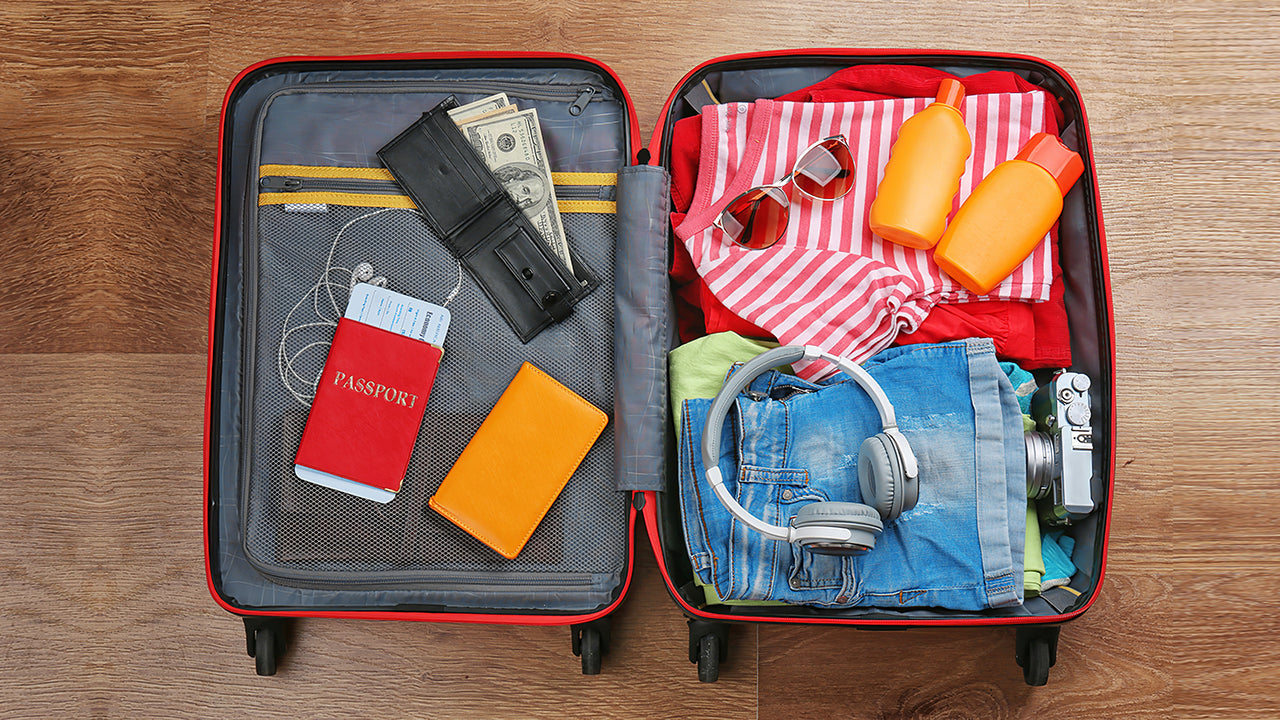
A well prepared traveler moves with confidence and purpose, carrying only what truly matters and leaving the superfluous behind. Pack items that serve multiple functions, think in terms of redundancies for crucial documents, and curate a compact kit that addresses health, comfort, and contingencies. These never forget essentials form the scaffolding of a calm peregrination, enabling swift adaptation to airports, transit, and new environments.
Documents and Identification
Bring primary identification, backup copies, and any required muniments for visas or travel permissions. Keep digital scans stored securely in an encrypted folder on a device and also email them to a trusted account for redundancy. Travel cards and frequent traveler credentials belong in a slim travel wallet, separate from cash. A paper list of emergency contacts remains invaluable if devices fail.
Health and Hygiene Kit
A compact health kit prevents minor ailments from derailing plans. Include prescription medications in original containers, a small supply of basic analgesics, and antiseptic wipes. Single use masks, a small tube of hand sanitizer, and bandages belong in the carry on. A travel size first aid item such as a suture like adhesive strip or blister pads can be indispensable during hikes or long transit days.
Tech Staples and Power Management
Portable power banks and versatile charging cables are travel gold. Pack a dual port charger or a compact wall adapter that supports a range of voltages. A set of earbuds or noise reducing headphones assists with rest and concentration. Consider a small travel router or an offline hotspot for regions where connectivity is unreliable. Keep devices fully charged before leaving and enable power saving profiles.
Money and Financial Preparedness
Carry a mix of payment methods, including a primary credit card, a backup card stored separately, and a small amount of local currency for immediate needs. Notify banks of travel dates to prevent fraud alerts that block transactions. A concealed money pouch worn under clothing reduces the risk of pickpocketing in crowded places. Keep a photocopy of important financial numbers in case phones become inaccessible.
Comfortable Clothing and Layering
Dress for variability and comfort. Lightweight layers allow temperature control in airports, aircraft cabins, and diverse climates. A compact scarf or multipurpose wrap functions as a blanket, pillow, or sun shield. Comfortable shoes that slip on and off ease security screening and long walks. A change of undergarments in the carry on addresses unexpected delays or luggage mishaps.
Practical Carry On Items
Include a refillable water bottle to hydrate after security, a small snack such as nuts or dried fruit, and a reusable utensil set if desired. Pack a compact notebook and pen for forms or notes, and a small zippered pouch for loose items. A lightweight foldable bag helps when shopping or moving between accommodations. Keep essentials accessible to avoid frantic searches during transitions.
Safety and Security Tools
TSA approved locks for checked bags and sturdy luggage tags with clear contact details reduce loss and tampering. Consider a slim luggage strap for additional reinforcement. Small LED flashlights or multi tool cards, when permitted, can be handy during unexpected situations. Use strong, unique passwords on travel related accounts and enable two factor authentication for email and booking platforms.
Comfort Accessories for Transit
A neck support that stabilizes posture and a compact blanket improve sleep quality on long journeys. Eye covering that blocks ambient light and earplugs or noise reducing earbuds aid rest and recovery. Compression socks support circulation during long flights or bus rides. Little comforts compound into a significant improvement in energy and mood.
Local Preparation and Research
Download offline maps and essential phrase guides for the destination. Learn basic local customs and emergency numbers. Bookmark embassy contact details and research local transport options from the airport to your accommodation. Arrive with a mental map of the first few steps to reduce decision fatigue on arrival.
Miscellaneous but Vital Items
A small repair kit for eyewear or clothing, a zippered bag for dirty garments, and a tiny sewing kit prove useful more often than expected. Spare batteries for devices that still use them and a lightweight portable doorstop for unfamiliar rooms add layers of convenience. An insulin card or allergy notice for those with medical needs provides quick clarity in emergencies.
Organizational Habits That Endure
Use a pre departure checklist and rehearse packing a few days ahead to catch omissions. Maintain a compact document pouch that returns to the same place after each trip, and refresh essentials rather than rediscovering them each time. Adopt the habit of photographing items and luggage before transit, documentation that simplifies recovery in the event of loss.
Travel is a series of transitions, and the difference between friction and flow often rests on small preparations. Equip yourself with multifunctional items, ensure redundancy for critical documents, and prioritize comfort and security. These measures create a resilient framework for exploration, allowing attention to shift from logistics to the lived experience of place.
About the Author


