

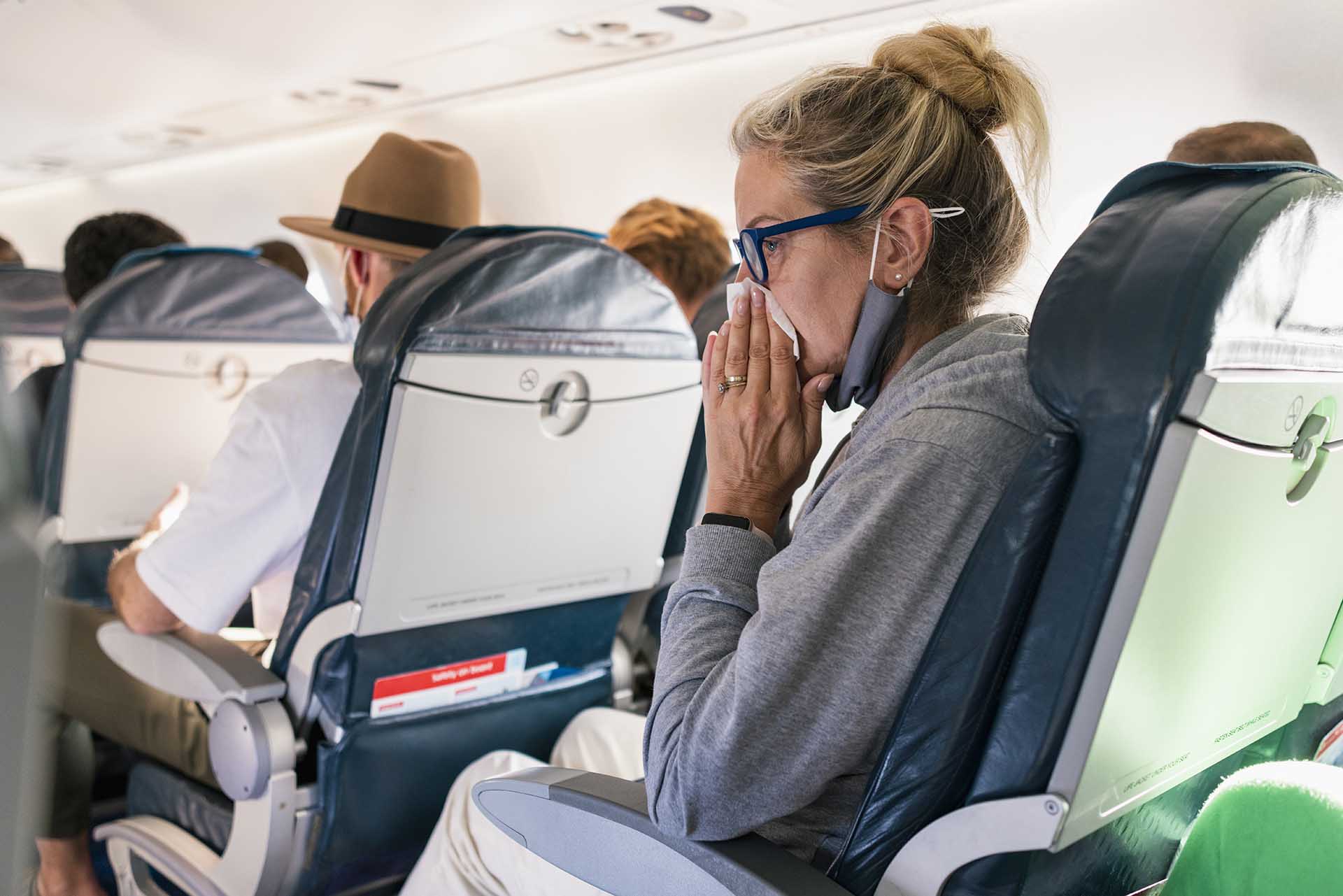
Maintaining wellness during air travel requires foresight, balanced routines, and a practical understanding of the cabin environment. Travelers often underestimate the physical demands of long flights, yet the combination of dry air, limited movement, and fluctuating schedules can influence overall well being. Establishing healthy flying habits at the start of the journey creates a stable foundation that supports comfort, vitality, and resilience throughout the trip.
Hydrate Generously to Counteract Cabin Dryness
Aircraft cabins contain significantly lower humidity levels than most travelers expect. This arid atmosphere depletes moisture rapidly. Drinking water at consistent intervals helps preserve hydration, which is essential for maintaining alertness and preventing fatigue. Carrying an empty bottle to refill after security ensures uninterrupted access to water without relying solely on in flight service. Avoiding excessive caffeine or alcohol preserves the body’s natural hydration balance.
Prioritize Nutritious, Lightweight Food Choices
Heavy meals often lead to discomfort during flights. Opting for nutrient dense snacks such as fruit, nuts, or simple whole grain options helps stabilize energy levels. These foods digest easily and prevent bloating. Preparing snacks before leaving for the airport also eliminates the need to purchase overly processed alternatives at terminals. Balanced eating encourages sustained comfort and supports immune function throughout travel.
Maintain Movement to Stimulate Circulation
Extended periods of sitting reduce blood flow and contribute to stiffness. Walking through the cabin when permitted and performing simple stretches in the seat improves circulation. Gentle ankle rotations, shoulder rolls, and controlled leg movements help prevent tension buildup. Consistent micro movement throughout the flight refreshes the body and diminishes the feeling of lethargy that often accompanies long hours in confined spaces.
Practice Cleanliness for Added Protection
Air travel exposes passengers to surfaces frequently touched by others. Regular hand washing or using sanitizing wipes provides an additional layer of protection. Cleaning armrests, tray tables, and seatbelt buckles before settling in introduces a sense of personal control over the environment. Avoiding unnecessary contact with the face further reduces the likelihood of minor health disruptions during or after the journey.
Support Rest Through Thoughtful Sleep Accessories
Quality sleep during flights is challenging but achievable with strategic preparation. A soft neck pillow stabilizes posture and prevents strain. Light blocking eye masks and noise reducing earplugs cultivate a tranquil atmosphere that encourages restful moments. Limiting screen time before attempting sleep promotes relaxation. Resting effectively, even for short intervals, helps maintain clarity upon arrival.
Dress in Layers to Manage Temperature Variation
Cabin temperatures shift throughout the flight. Wearing breathable layers allows easy adjustment to these fluctuations. Lightweight jackets, scarves, or cardigans provide versatility. Comfortable clothing reduces stress on the body, encourages calm, and provides warmth when air conditioning becomes intense. Selecting attire made of soft, flexible fabrics supports both movement and prolonged comfort.
Strengthen Immunity with Thoughtful Pre Flight Preparation
Wellness begins before boarding. A full night of sleep, balanced meals, and steady hydration prior to the flight enhance the body’s ability to adapt. Carrying a small supply of vitamins or immune supporting supplements may offer additional reinforcement. Arriving rested and nourished helps the body handle the pressures of altitude, time zone changes, and extended travel durations.
Use Proper Posture to Ease Physical Strain
Poor posture during flights leads to muscle fatigue. Maintaining a neutral spine position helps prevent discomfort. Adjusting the seat back to a moderate angle, placing feet firmly on the floor, and supporting the lower back with a small cushion encourages alignment. Conscious posture management promotes relaxation and mitigates stress on the neck, back, and shoulders.
Manage Stress Levels with Calming Techniques
Stress weakens resilience. Engaging in slow breathing exercises or practicing brief mindfulness sessions during the flight stabilizes the mind. This sense of inner quiet reduces tension that often accumulates while traveling. Soft music or guided relaxation recordings provide a steady rhythm for mental decompression. Even a few minutes of intentional calm can transform the overall flight experience.
Protect Skin from Environmental Dryness
Skin loses moisture quickly in low humidity. Applying a gentle, fragrance free moisturizer keeps skin supple and reduces irritation. Lip balm prevents chapping. Hydrating mist sprays provide a quick refresh during longer flights. Moisture maintenance contributes to comfort and helps preserve skin health until arrival.
Maintain Healthy Boundaries with Personal Space
Respecting personal boundaries and managing your own environment enhances mental ease. Adjusting your seat area, keeping belongings neatly organized, and creating a comfortable personal zone contribute to overall well being. Small environmental adjustments support a sense of control and encourage sustained relaxation.
Adapt Gracefully to Time Zone Shifts
Travel across multiple time zones disrupts circadian rhythm. Gradually adjusting sleep patterns a day or two before departure helps the body transition more smoothly. Once onboard, aligning rest with the destination’s local time accelerates adaptation. Exposure to natural light upon arrival further calibrates internal timing.
If you want the article extended, shortened, or adjusted to a specific audience, it can be refined accordingly.
About the Author


