

Protecting belongings during air travel requires foresight, thoughtful packing, and an understanding of how luggage is handled throughout each stage of the journey. Travelers frequently underestimate the potential risks associated with transit, yet careful preparation dramatically reduces the likelihood of loss or damage. Building routines that prioritize organization and vigilance helps maintain confidence and control from check in to arrival. A well planned strategy ensures that every item remains accounted for, creating a streamlined experience supported by safe secure luggage practices that promote peace of mind.
Choose Durable, High Quality Luggage
Selecting strong, well constructed luggage forms the foundation of all protective measures. Hard shell suitcases with reinforced edges withstand pressure better than softer materials. High quality zippers prevent accidental openings, while sturdy handles reduce breakage during transfer. Investing in reliable luggage increases the likelihood that belongings remain unharmed despite rough handling or unpredictable stacking.
Use TSA Approved Locks to Safeguard Contents
Locks add an essential layer of protection. TSA approved versions allow airport security to inspect bags without damaging them. Choosing a lock with a combination system eliminates the risk of losing keys. Securing every zipper pull with a lock or small cable discourages tampering. Visible security features often deter opportunistic interference.
Label Luggage Clearly and Correctly
Accurate labeling ensures bags return to the owner even if they are temporarily misplaced. A durable tag displaying full name, phone number, and email helps airline staff identify the rightful owner quickly. Placing a second label inside the suitcase provides additional security in case the external tag becomes detached. Clear labeling reduces confusion and speeds recovery.
Choose Distinctive Markings to Avoid Mix Ups
Suitcases often look identical. Adding a colorful ribbon, unique strap, or bright luggage cover helps differentiate personal bags from others. These markings prevent accidental collection by another traveler. Distinct identifiers allow for quick recognition on luggage belts and minimize time spent searching among countless similar suitcases.
Pack Smartly to Minimize Risk
Packing efficiently reduces the chance of items shifting or breaking. Fragile belongings should be wrapped in soft layers and positioned in the center of the suitcase for protection. Avoid overpacking, as excessive pressure strains seams and zippers. Distributing weight evenly improves structural balance and prevents unnecessary stress on the luggage exterior.
Keep Valuables in Carry On Bags
Important items such as passports, jewelry, electronics, prescription medications, and essential documents should remain in carry on luggage. These belongings are too critical to risk losing in checked baggage. Keeping valuables close ensures accessibility, security, and oversight throughout the flight. Carry on management plays a key role in safeguarding personal assets.
Photograph Luggage Before Traveling
Taking a quick photo of the suitcase before leaving home provides a useful reference if the bag becomes lost. Images help airline staff identify distinguishing features that may not be listed on standard forms. Photos of the suitcase’s contents are also helpful when filing claims. These small steps strengthen the ability to document ownership clearly.
Weigh Bags to Avoid Last Minute Repacking
Airline weight restrictions often force travelers to open bags at the check in counter. These rushed adjustments increase vulnerability, especially when items are shuffled hastily. Weighing luggage at home prevents unplanned repacking in crowded areas. Maintaining control over the packing environment protects belongings and reduces exposure to loss.
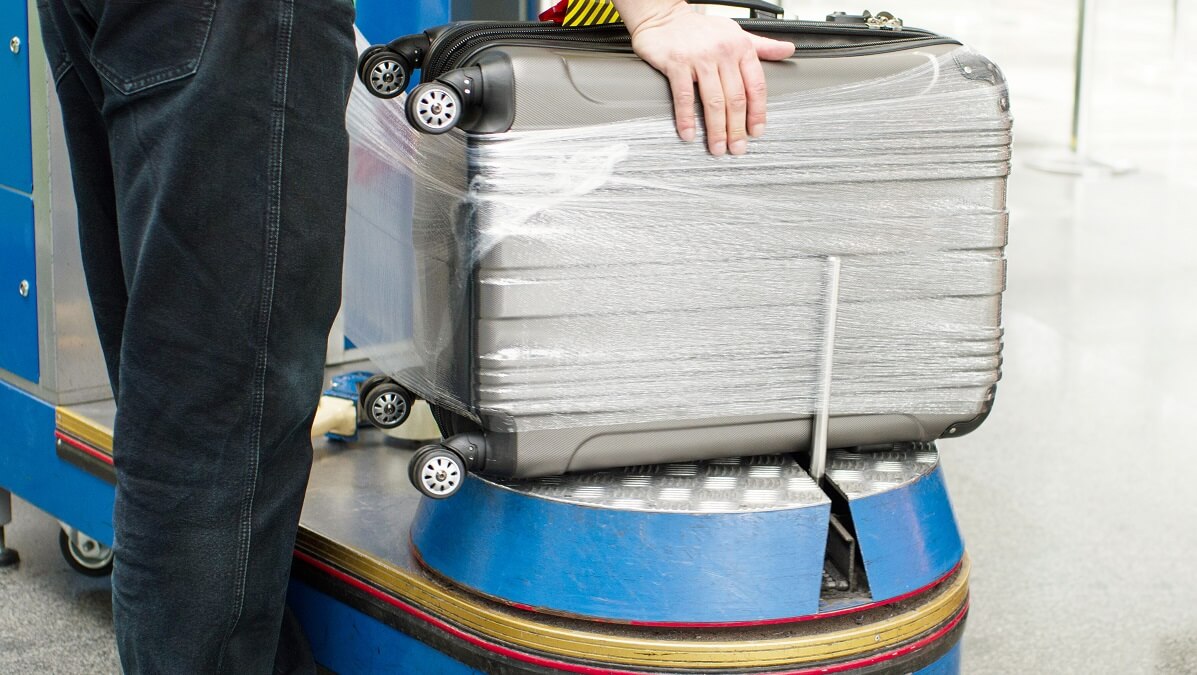
Wrap Luggage for Added Protection
Many airports offer plastic wrapping services that encase suitcases in a protective layer. This wrap guards against scratches, spills, or unintentional openings. It also discourages tampering, as breaking the seal becomes immediately noticeable. Wrapped luggage maintains structural integrity and remains more resistant to environmental damage.
Choose Direct Flights Whenever Possible
Direct flights reduce the number of times luggage is handled and transferred. Fewer connections mean fewer opportunities for bags to be misplaced. When direct routes are unavailable, selecting flights with longer layovers gives airport staff more time to move luggage properly. Thoughtful itinerary planning supports safer transit.
Track Bags with Smart Technology
Modern tracking devices allow travelers to monitor luggage in real time. These small devices fit inside suitcases and transmit location information through mobile apps. If a bag is delayed or rerouted, tracking technology provides immediate insight. This added level of transparency reduces anxiety and facilitates swift recovery.
Arrive Early to Avoid Processing Errors
Late check ins increase the risk of mishandled baggage. Arriving early gives airport staff adequate time to transport luggage to the correct aircraft. Rushed situations often lead to mistakes. Early arrival supports a smoother flow from drop off to loading and minimizes avoidable complications.
Double Check Tags at the Counter
Airline staff attach tracking tags during the check in process. Mistakes occasionally occur when travelers are processed quickly. Verifying that the destination printed on each tag is correct helps prevent misdirection. A brief moment of attention protects belongings from being sent to an unintended location.
Maintain Composure Throughout the Process
Calm behavior supports clearer decision making. A collected traveler notices potential issues sooner, responds swiftly, and handles procedures with greater precision. Maintaining composure helps ensure all luggage related tasks are completed thoroughly, resulting in a more secure and organized journey.
If you want this expanded into a comprehensive travel security guide or tailored for specific types of luggage, it can be refined further.
About the Author


