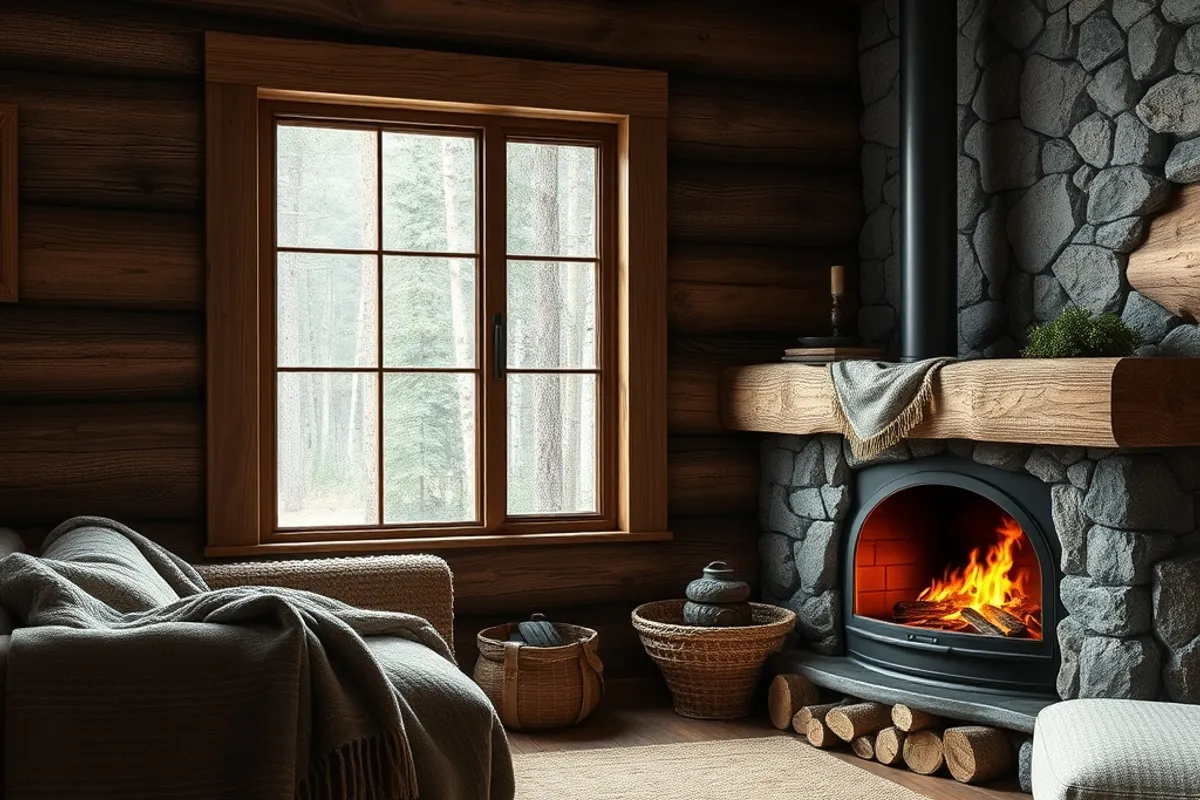
A cabin is not a hotel with wood panelling. The good ones are defined by what they leave out: no lobby, no minibar, no schedule. What remains is a stove, a view and enough quiet to hear the weather change. The best stays make that simplicity feel deliberate rather than improvised.
Look for three things before you book: reliable heat, drinkable water and a clear description of the access road. Everything else, including the hot tub and the vintage record player, is a bonus. A cabin that is honest about its limits will disappoint far less than one that oversells them.
Key facts
- Cabin rates range from $120 a night for a basic forest hut to $600 for a lakefront lodge.
- Book 3 to 6 months ahead for autumn foliage and ski season.
- Off-grid cabins often mean no wi-fi, no mains power and a compost toilet.
- A 4x4 is required for many winter access roads.
- Cleaning fees of $60 to $150 are standard, so longer stays cost less per night.
Seven cabins worth planning around
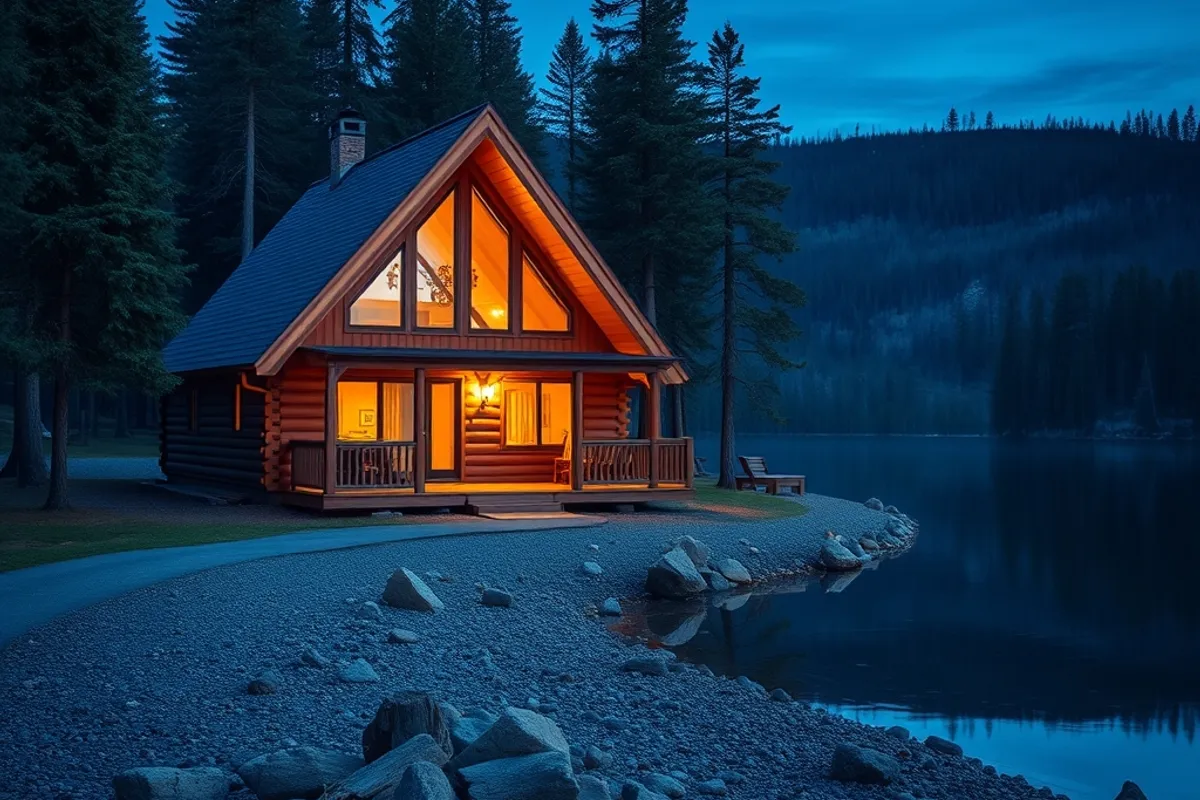
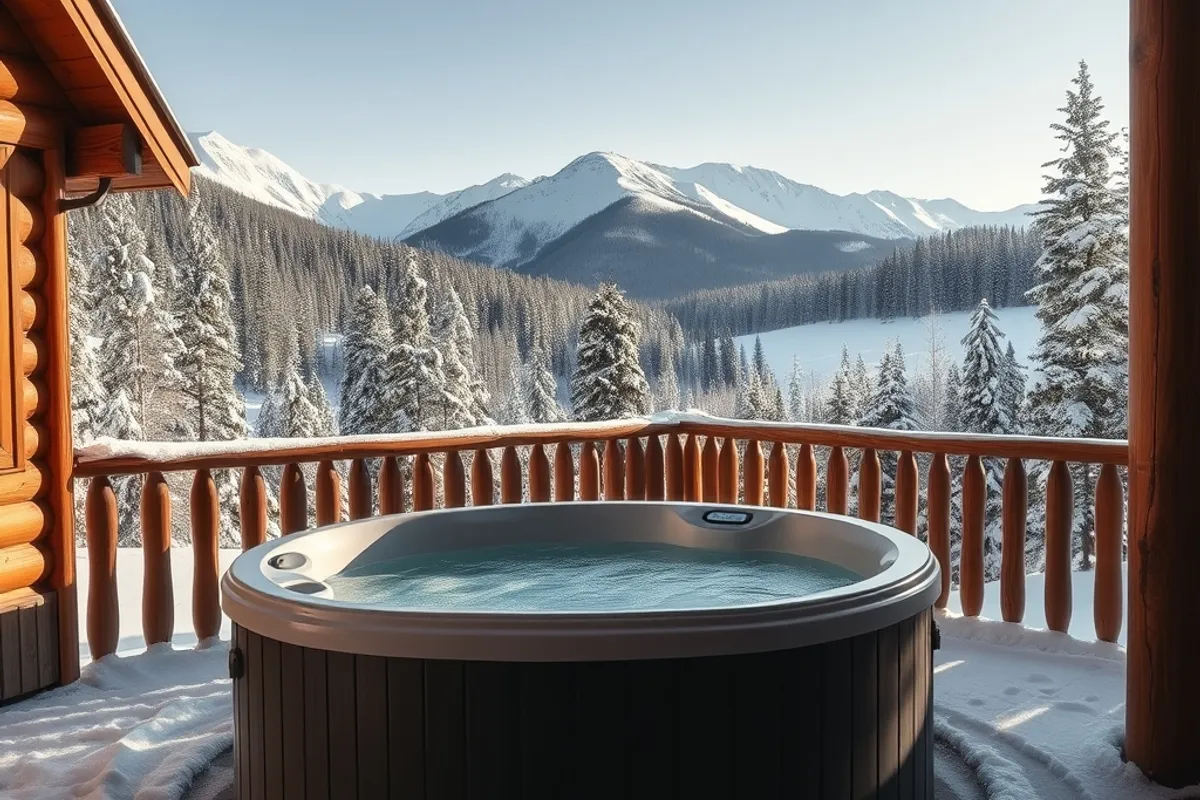
A lakefront A-frame in the Adirondacks gives you a canoe, a dock and a wood stove, with towns twenty minutes away. A log cabin in the Blue Ridge foothills trades lake views for long ridge sunsets and easy access to hiking. In the Rockies, a timber lodge near a hot spring is the winter pick.
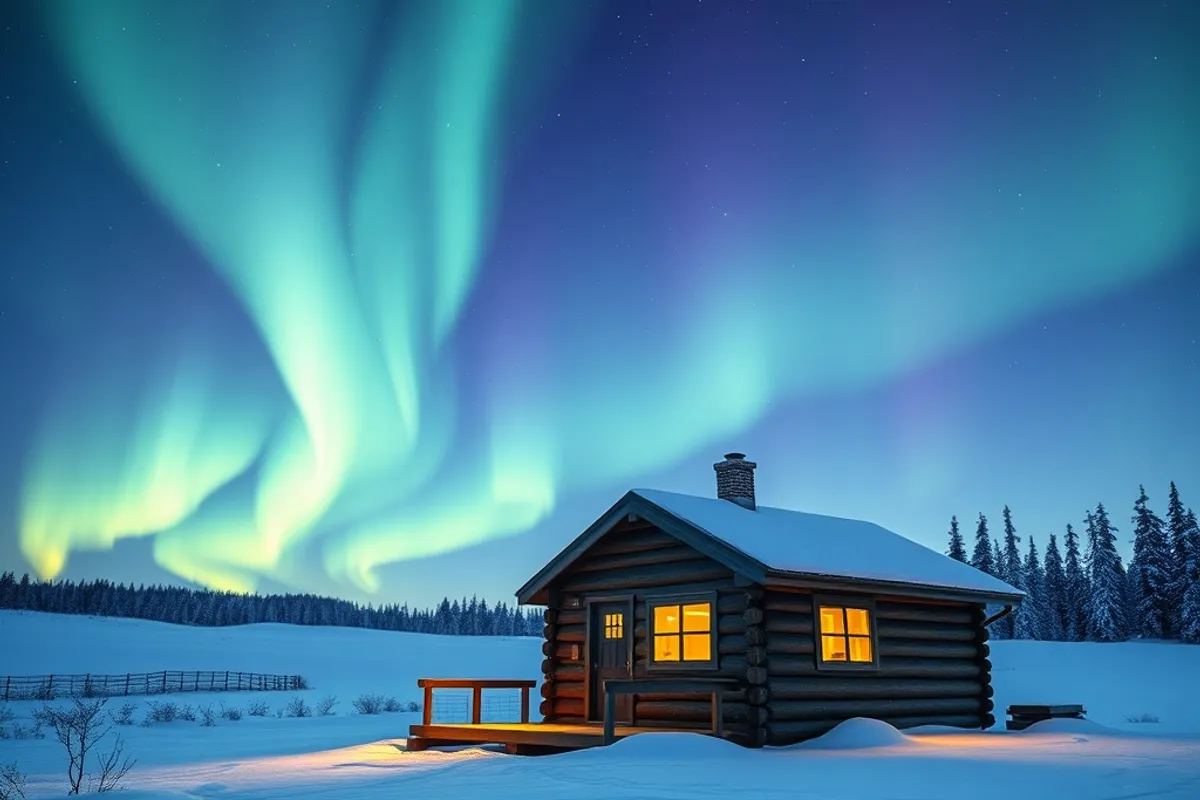
On the Pacific coast, a cedar cabin above the surf suits storm-watching and slow mornings. The high desert of Utah offers a cabin with dark skies and no neighbours, while a boreal forest hideout in Quebec is built for northern lights. Round out the list with an off-grid hut in the Vermont woods for anyone who wants to unplug completely.
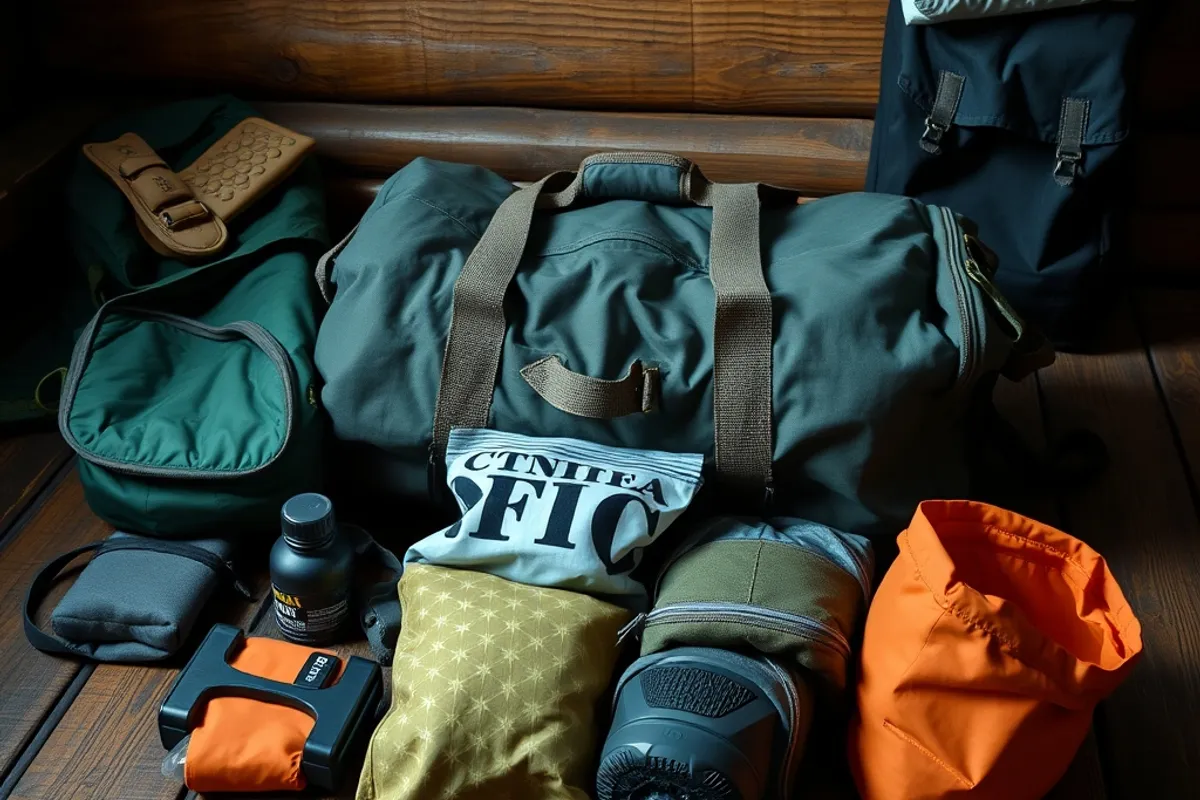
Off-grid means a different kind of holiday
Off-grid cabins are the fastest-growing category, and the most misunderstood. No mains power usually means solar and a battery bank, which is fine for lights and a phone but not for a hair dryer. Water may come from a well, a gravity tank or jerrycans you carry in yourself.
Ask the host four questions before booking: how is water supplied, how is the toilet managed, what works when the sun does not shine, and how far is the nearest shop. If the answers are vague, assume the worst case and pack accordingly. Our off-grid packing list covers the rest.
The real nightly cost
Advertised rates hide the extras. Add cleaning fees of $60 to $150, a damage deposit and, in winter, a vehicle with proper tyres. A $180 cabin can cost $250 a night for a two-night stay once fees are split, which is why longer bookings often look cheaper per night.
Shoulder season is where the value sits. Late September in the mountains and early May at the lake bring lower rates, fewer people and weather that is cool but manageable. Check the cancellation policy carefully; mountain weather cancels plans more often than city hotels.
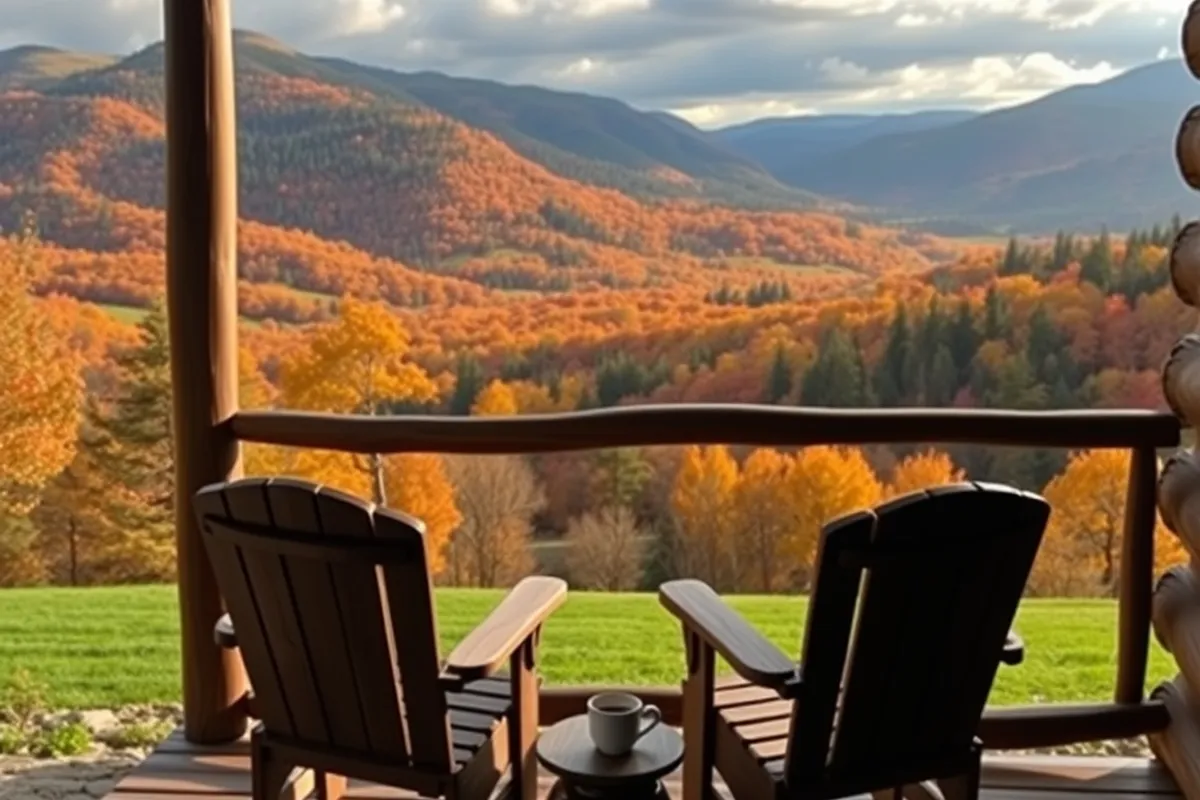
The best cabin is not the most remote one. It is the one where the simple things work.
Choosing the right season for the cabin
Winter cabins are about snow, and snow changes everything. Access roads may need four-wheel drive, chains or a snowmobile transfer. Confirm what the host clears and when, and check whether the heating is sufficient without a backup. A romantic snowed-in weekend becomes a problem if the power fails.
Summer brings long evenings and swimming, but also insects and higher rates. Autumn is the sweet spot for many regions: cool nights, colour in the trees and enough warmth to sit outside. Spring is quiet, muddy and cheap, which suits walkers more than sunbathers.
Booking without surprises
Read recent reviews for signals about noise, road conditions and cleanliness, not just star ratings. Look for mentions of the host, the heating and the water pressure. A single detailed review is worth ten one-line compliments.
Message the host before you pay. Ask about check-in, parking and mobile signal, and confirm whether firewood is included. Keep the conversation in the booking platform so the terms are recorded. Pay by card, never by bank transfer, and photograph the cabin on arrival if something is already damaged.
Where we would book first
For a first cabin trip, choose a lakefront A-frame with mains power and a town nearby. It delivers the feeling without the risk. For a second trip, go off-grid and take the packing list seriously. The quiet is worth the effort, but only if you have done the preparation.
Browse more slow-travel ideas in Cabin Stays, or plan the food side of the trip with our culinary tour planning guide.
Official source: nps.gov.