A travel film is not a diary. A diary starts at the airport because that is where the trip started. A film starts at the moment something changes: the wrong train, the first taste, the rain arriving over the valley. Open there, then explain how you got there.
Write three possible openings before you edit. The strongest one usually contains a small problem or a strong image, not a greeting. If the first shot could belong to any trip to any country, it is not an opening. It is B-roll waiting for a job.
Key facts
- A 90-second travel film usually needs 20 to 30 minutes of usable footage.
- The first 8 seconds decide whether a viewer stays.
- One clear point of view beats ten neutral shots.
- Interview audio recorded close sounds better than any repair in editing.
- Publishing one story a week beats one polished film a month.
Rule two: build a spine, not a scrapbook
Choose one question the film will answer. Will the night bus be worth it? Can you eat well on ten euros a day? Is the off-season coast still alive? A question gives footage a reason to exist and tells you what to cut.
Then build three beats: setup, complication, resolution. The setup is what you expected. The complication is what actually happened. The resolution is what you now think. Everything that does not move those beats forward can go, however beautiful it looked on the day.
Rule three: record the place, not just the view
Sound is what makes a place feel real. Before you film the market stall, record twenty seconds of the market with no commentary. The sizzle, the haggling and the distant scooter carry more atmosphere than any music track you can license.
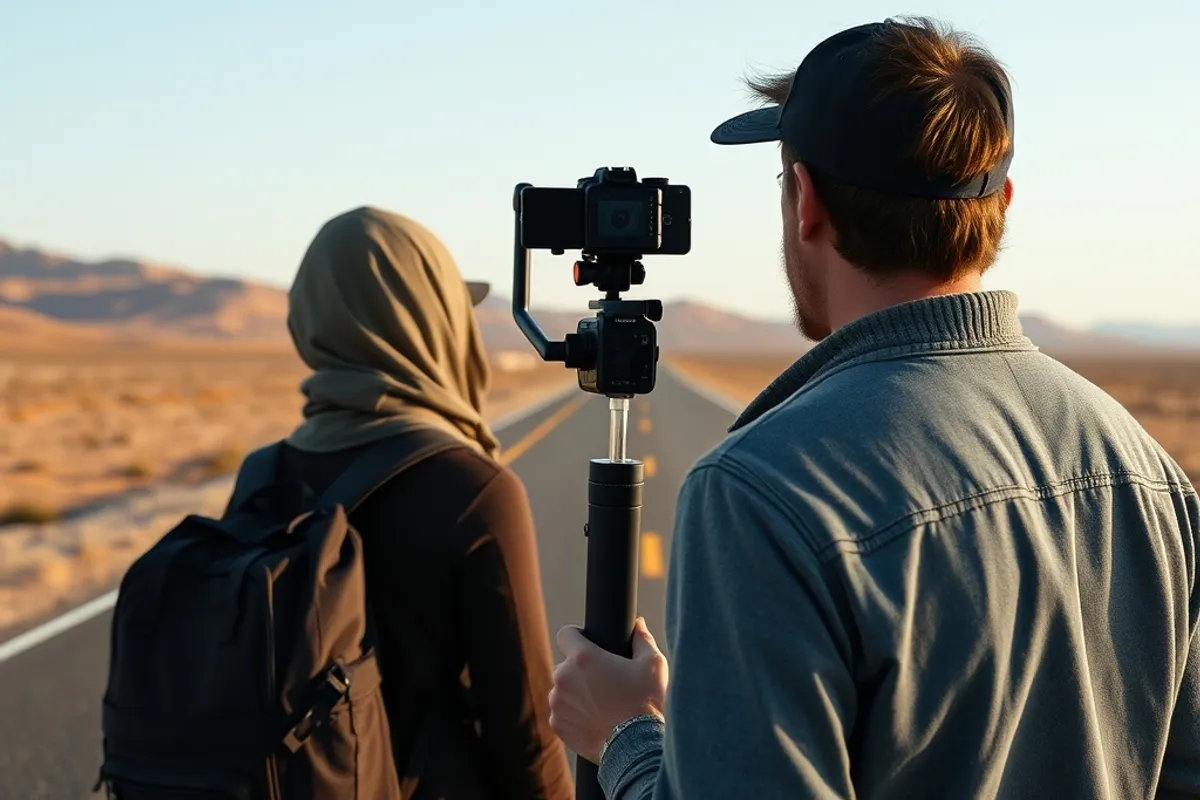
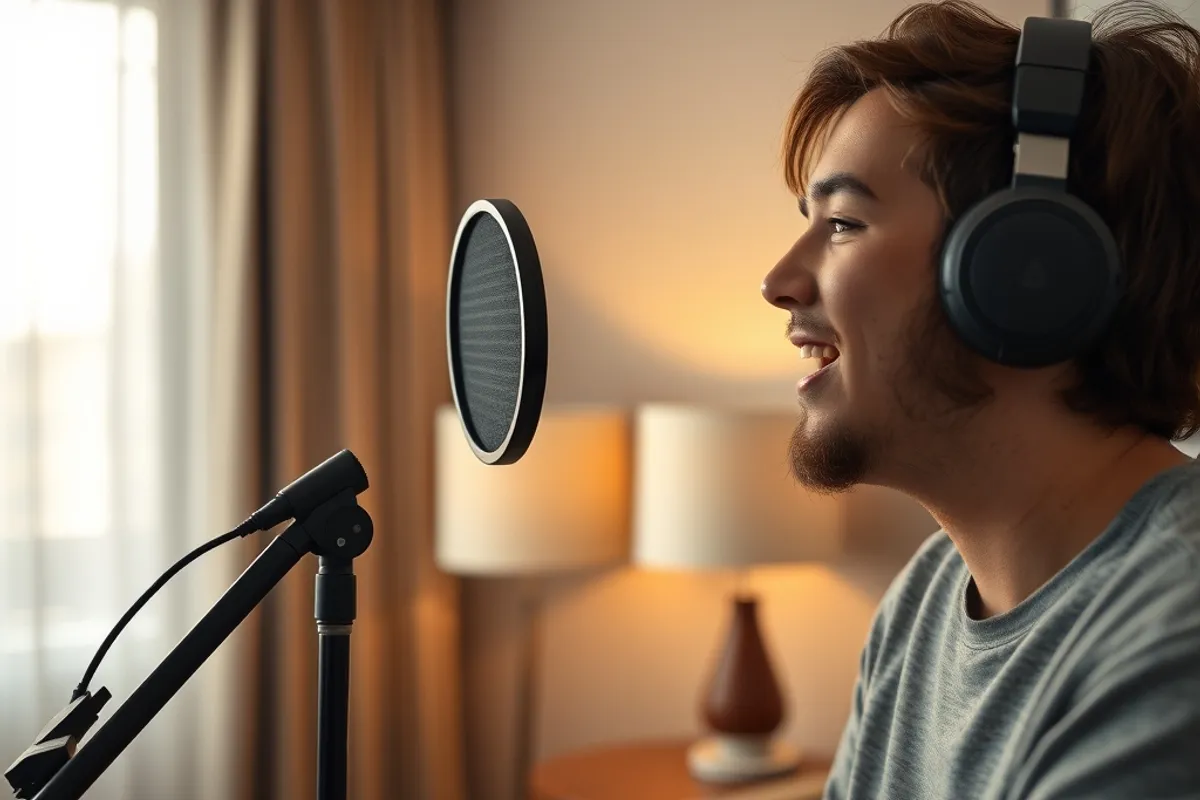
When you speak to camera, get close to the microphone and keep the wind off it. A short sentence recorded cleanly will beat a long improvised monologue that needs subtitles. Speak slower than feels natural, and leave a beat of silence before and after each line.
Rule four: keep the disappointments in
The most-watched travel films are honest about cost, weather and hassle. If the famous viewpoint was fogged in, say so. If the guesthouse was noisy, show the earplugs. Viewers trust creators who admit when a plan failed, and trust is what makes a recommendation worth anything.
That does not mean complaining for forty minutes. It means showing the trade-off and the decision. A film that says "this was expensive and here is why I would still do it" is more useful than one that pretends every sunset was free.
A travel film is not a record of where you went. It is an argument for why it mattered.
Rule five: shoot B-roll with a purpose
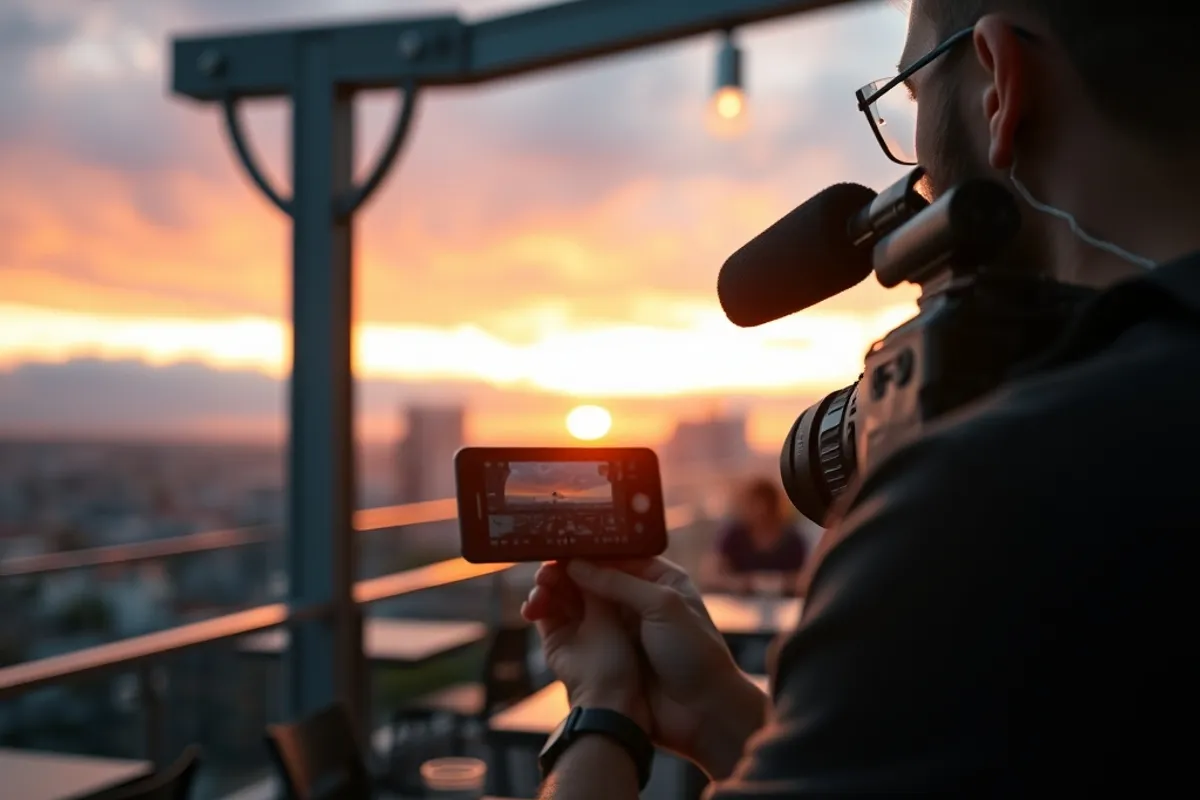
B-roll is not filler. Each clip should do one of four jobs: establish place, show texture, cover a cut in the voiceover or prove a claim. If you cannot name the job, do not shoot it. Two good minutes of B-roll will carry a five-minute film.
Shoot ten-second clips, not three-second jabs. Hold the frame still for the first and last two seconds, then move. That gives the editor room to trim and lets you use the same clip twice at different lengths without it feeling repetitive.
Rule six: edit for the person who was not there
You know what the ticket queue felt like. Your viewer does not. Watch your first cut with the sound off: if the story still makes sense, the visual language works. Then watch it with your eyes closed: if the story still makes sense, the audio works.
Cut every pause that does not build tension, and cut any line that explains what the image already says. A tight three minutes will be watched twice; a loose twelve minutes will be abandoned. Length is not a measure of effort.
Rule seven: publish on a rhythm
A finished weekly film builds an audience faster than a perfect monthly one. Set a format you can repeat: same length, same opening style, same sign-off. Repetition lowers your production time and gives viewers a reason to come back.
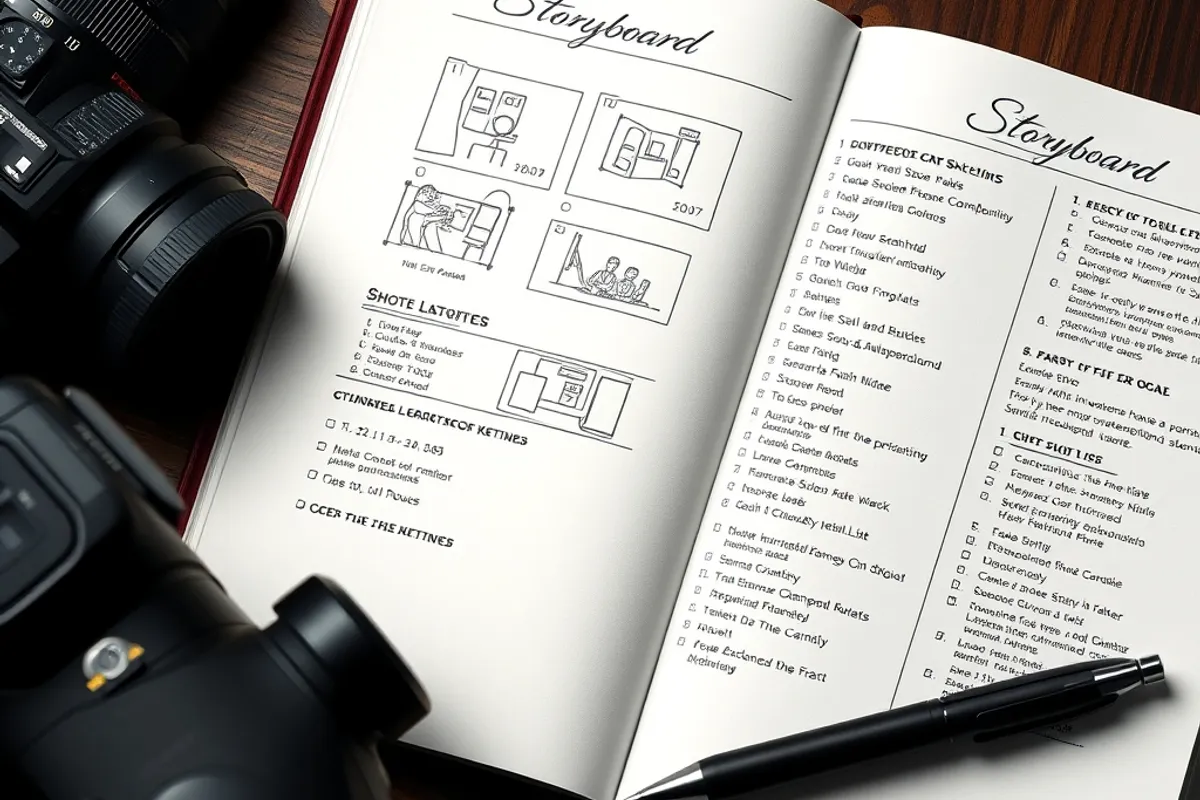
Keep a shot list from every trip and review it before you leave the next time. The gaps in your last film are the best planning document for the next one. For gear that supports this workflow, read our travel vlogging camera kit guide, and browse more in Travel Vlogging.
Official source: loc.gov/programs/national-film-preservation-board.