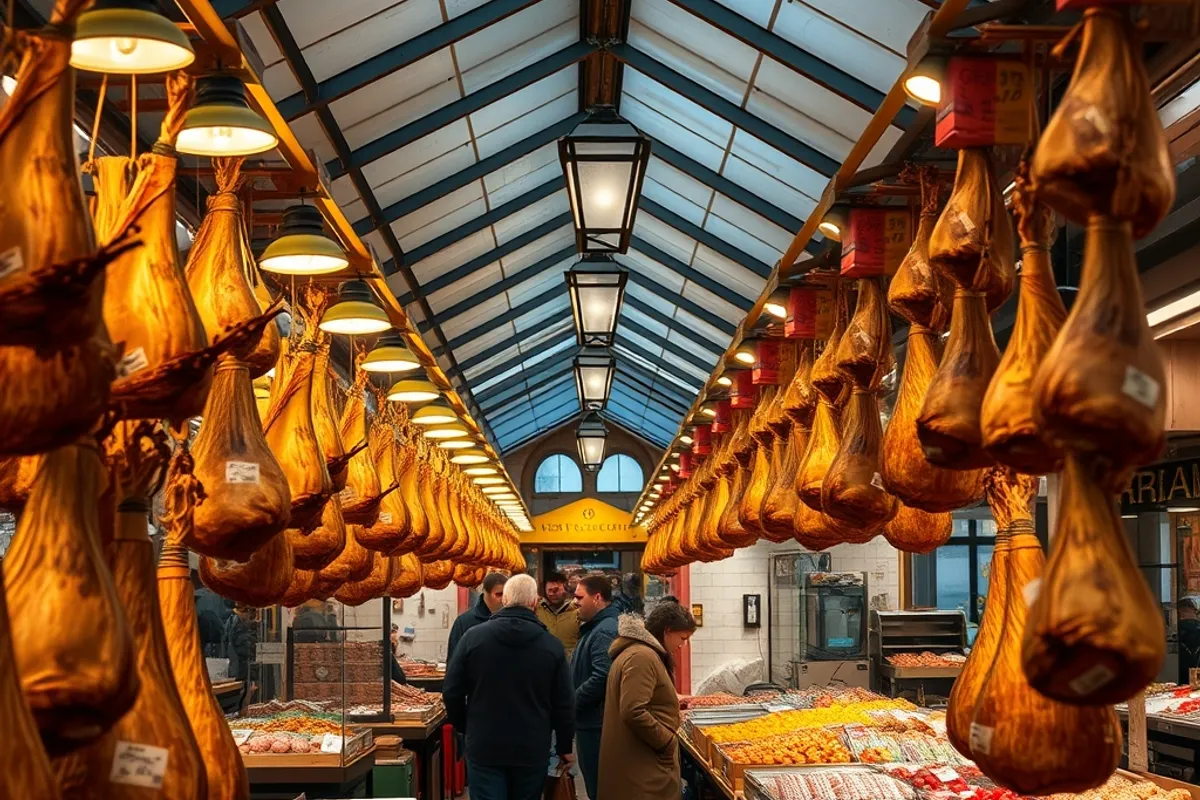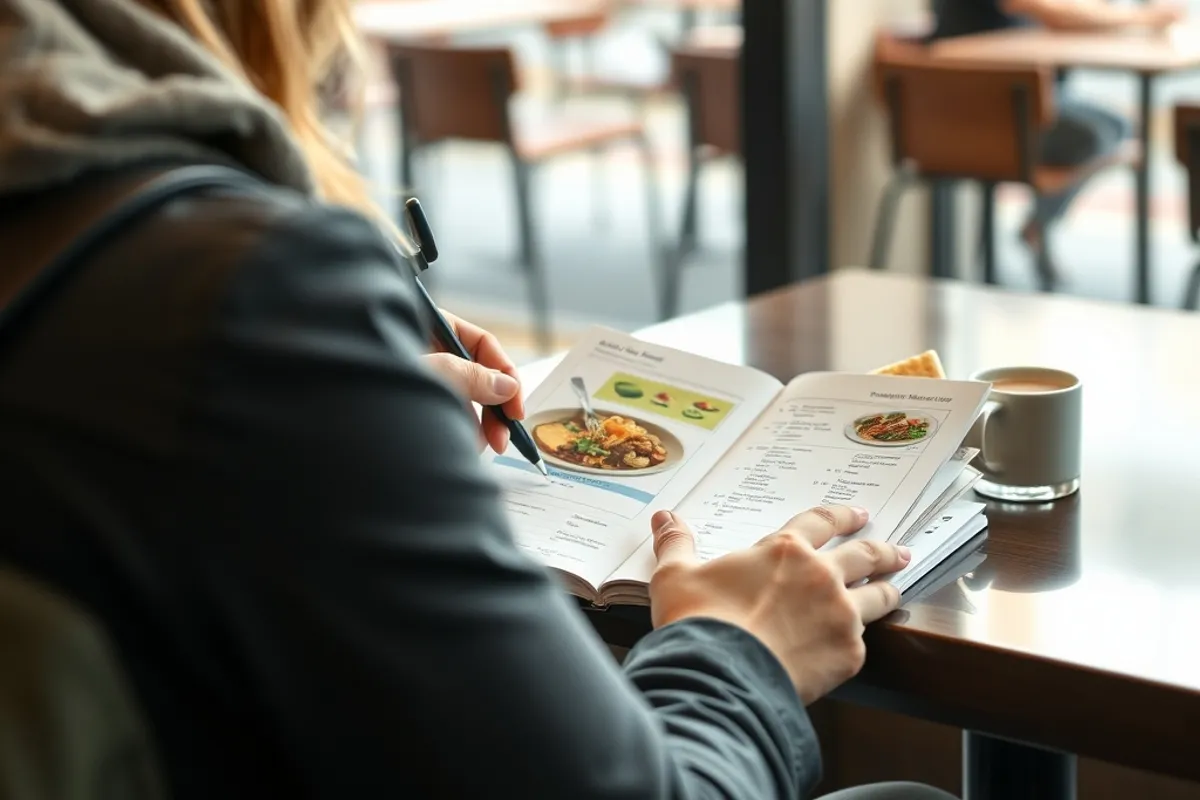
Great food trips start with a region and a season, not a wishlist of famous kitchens. Pick a place with a strong local cuisine and a market culture: Puglia, the Basque Country, Lyon, Oaxaca or Sichuan. Then let the season decide what you will actually eat.
A region gives you a coherent story and a shorter travel radius. You spend less time on trains and more time at tables. It also makes repeat visits more interesting, because the same market in June and October is a different experience entirely.
Key facts
- Food tours cost $40 to $120 per person depending on city and inclusions.
- Book cooking classes 2 to 6 weeks ahead; famous kitchens sell out.
- A realistic food itinerary has two big meals a day, not five.
- Ask about allergies in writing before you book.
- Market days and restaurant closures vary; check both before locking dates.
Step two: travel with the harvest
Food is seasonal, and so is the best travel. Truffles in autumn, tomatoes in late summer, asparagus in spring and seafood at its best in the colder months. Check the local calendar before you book, and build the trip around two or three ingredients at their peak.
Avoid the biggest festival weeks unless the festival is the point. Prices rise, kitchens get stressed and reservations disappear. A week before or after a major food festival often gives you the same produce with calmer restaurants and better service.
Step three: map the days around meals
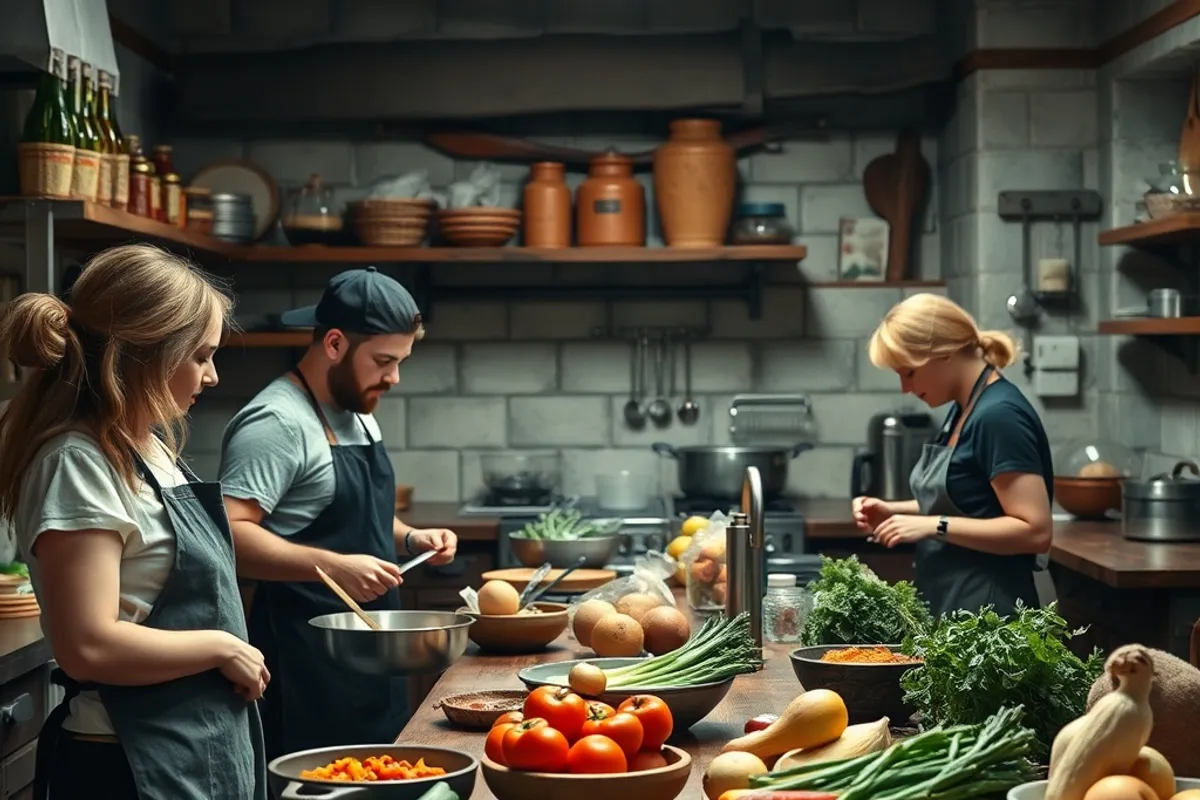
Start with dinner and work backwards. Choose one anchor meal per day, then build the rest of the day around it. A market visit in the morning, a long lunch, a walk and a light dinner is a better rhythm than three heavy reservations that leave you exhausted by Thursday.
Leave one day unplanned. The best meal of a food trip is often the one a local recommends on the spot, and you need room in the schedule to say yes. Keep a short backup list for each neighbourhood so a closed kitchen does not ruin the evening.
Step four: book the experiences that sell out
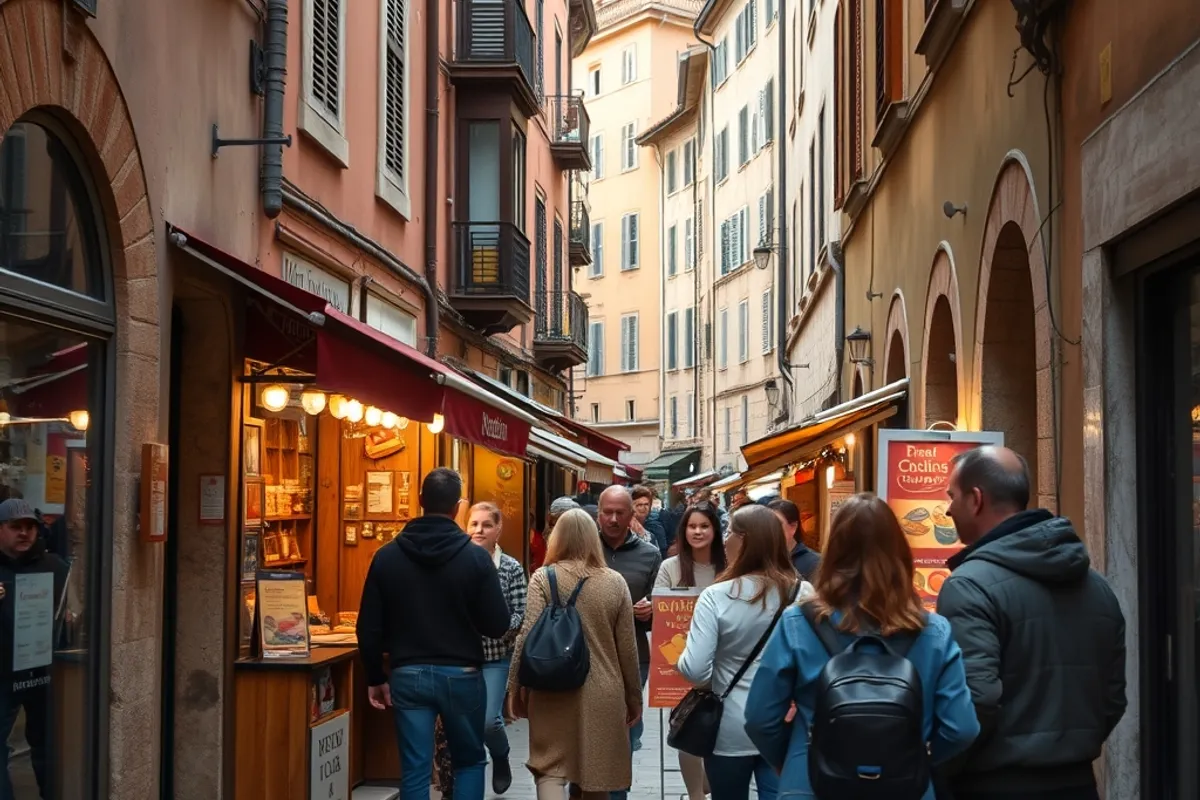
Cooking classes, farm visits and small-group food tours are the parts that cannot be improvised. Book them two to six weeks ahead, and confirm the language, the group size and what is included. A class with twenty people is a demonstration; a class with six is a conversation.
Ask about allergies, mobility and alcohol in writing. A good operator will answer clearly and adapt. If the response is vague before you pay, expect the same vagueness on the day. Keep confirmation emails in one folder and note the meeting point the night before.
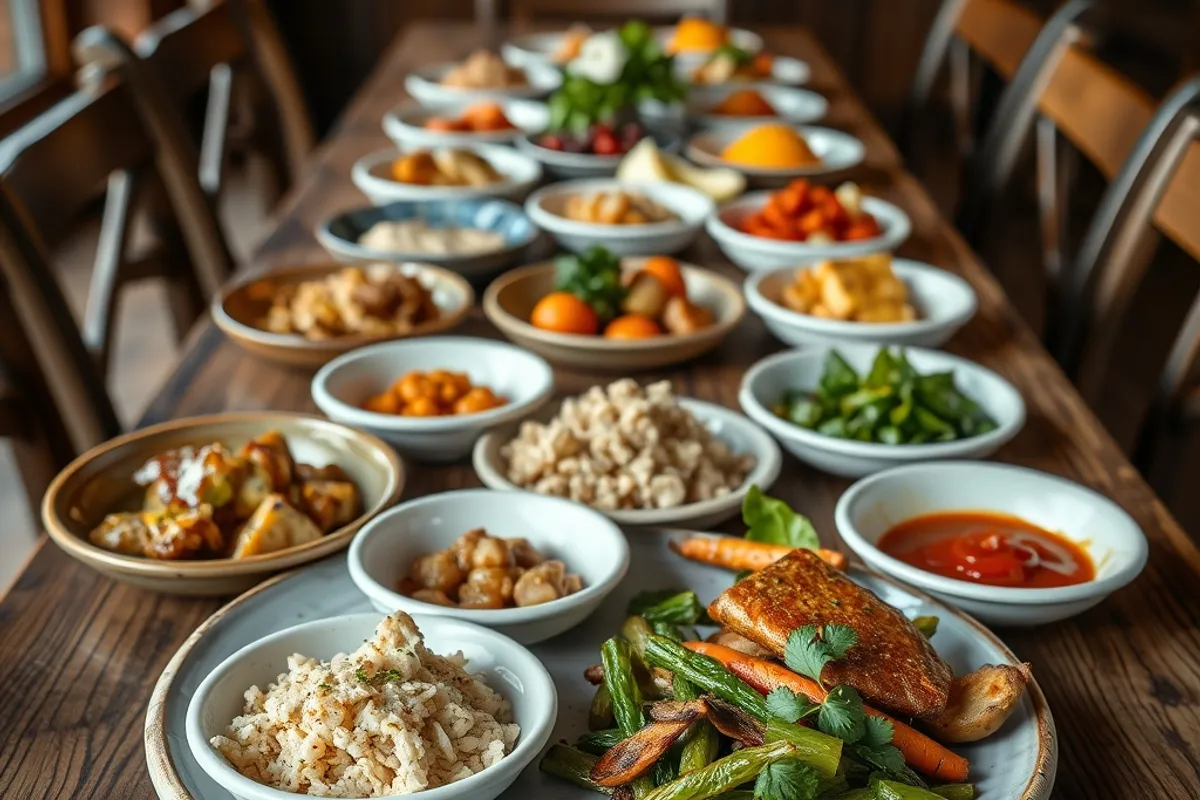
A food itinerary should read like a menu, not a timetable.
Step five: pace your appetite
Two proper meals a day is the realistic maximum for most travellers. Breakfast at the market, a long lunch and a light supper is plenty. Trying to eat five times a day leads to wasted food, bad photos and a stomach that never settles.
Walk between meals. A city is best digested on foot, and the exercise buys you the next appetite. Carry water, skip the second dessert and resist the urge to order everything on a menu. The best food trips leave you wanting one more day, not one more course.
Step six: budget for the table
Set a daily food budget and treat it as part of the trip, not an afterthought. In Western Europe, $60 to $120 per person per day covers a market breakfast, a casual lunch and a good dinner with wine. In Latin America or Southeast Asia, the same rhythm costs far less.
Spend where it matters to you. If a tasting menu is the reason for the trip, cut costs elsewhere. If you would rather eat ten street dishes than one plated dinner, build the trip around markets and food stalls. There is no correct ratio, only an honest one.
Step seven: learn the table rules
A few phrases go a long way: please, thank you, the bill, and "what do you recommend?" Learn them before you arrive. Ask before photographing staff or dishes, and never film in a busy kitchen without permission.
Respect opening hours and reservation times. Turning up late in a small restaurant is not casual; it is disruptive. If plans change, call. A table held for you is income the restaurant has turned away, and courtesy is remembered on both sides.
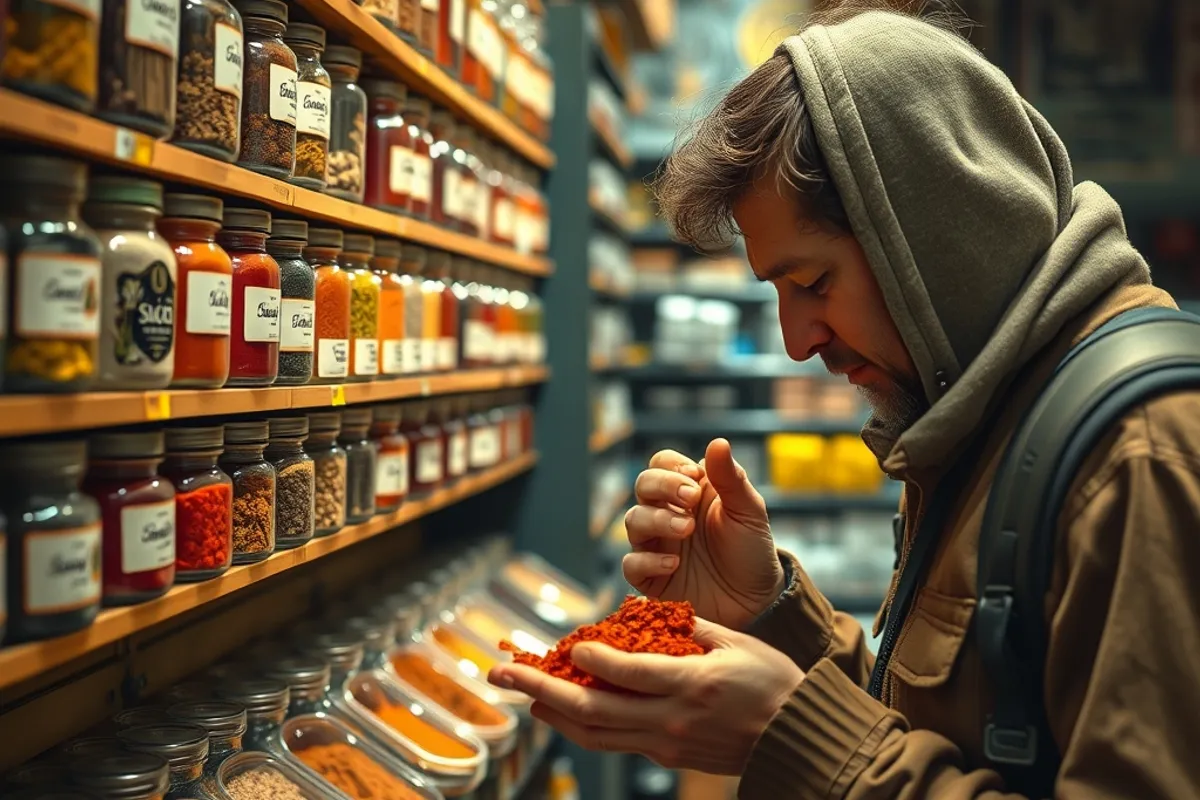
Step eight: leave a little room for luck
The best culinary tours are structured enough to guarantee two or three great meals and loose enough to accept an invitation. Plan the anchors, book the classes, then let the rest of the week breathe. That balance is what separates a food trip from a checklist.
For market inspiration, read our guide to the best food markets in Europe, then browse Culinary Tourism for more planning ideas.
Official source: unwto.org.