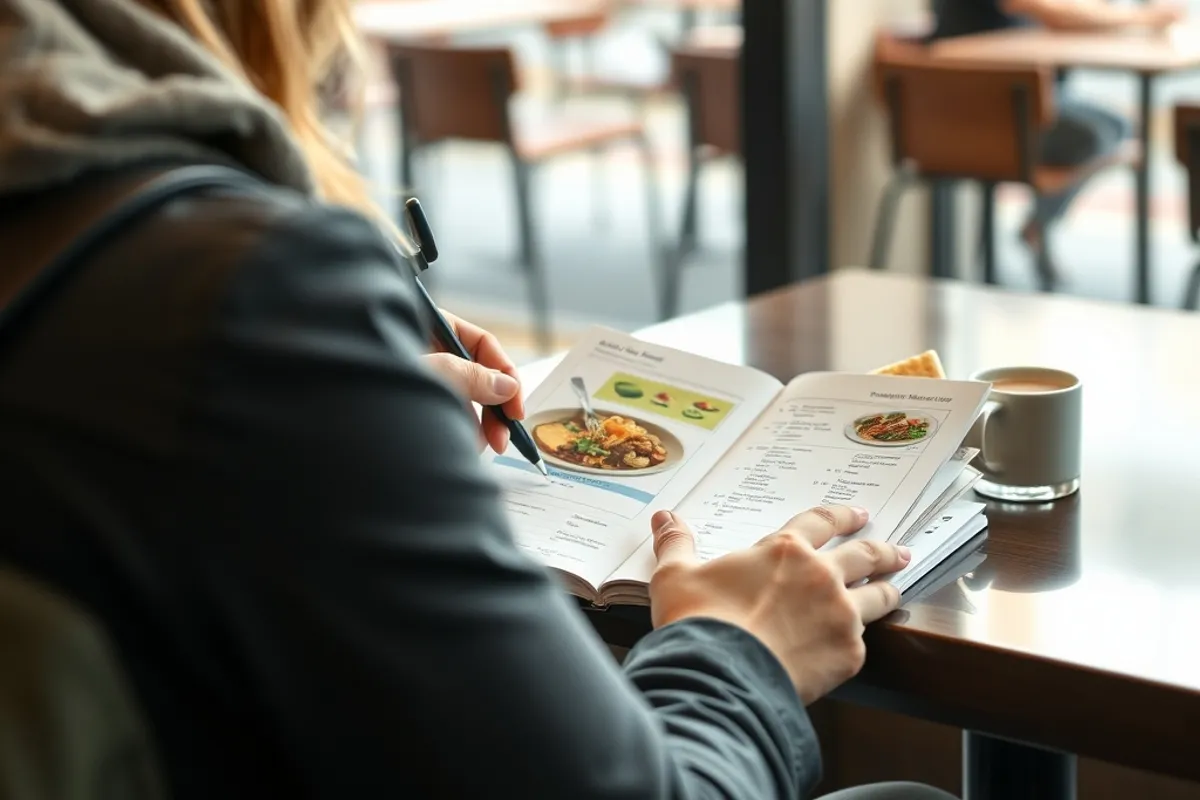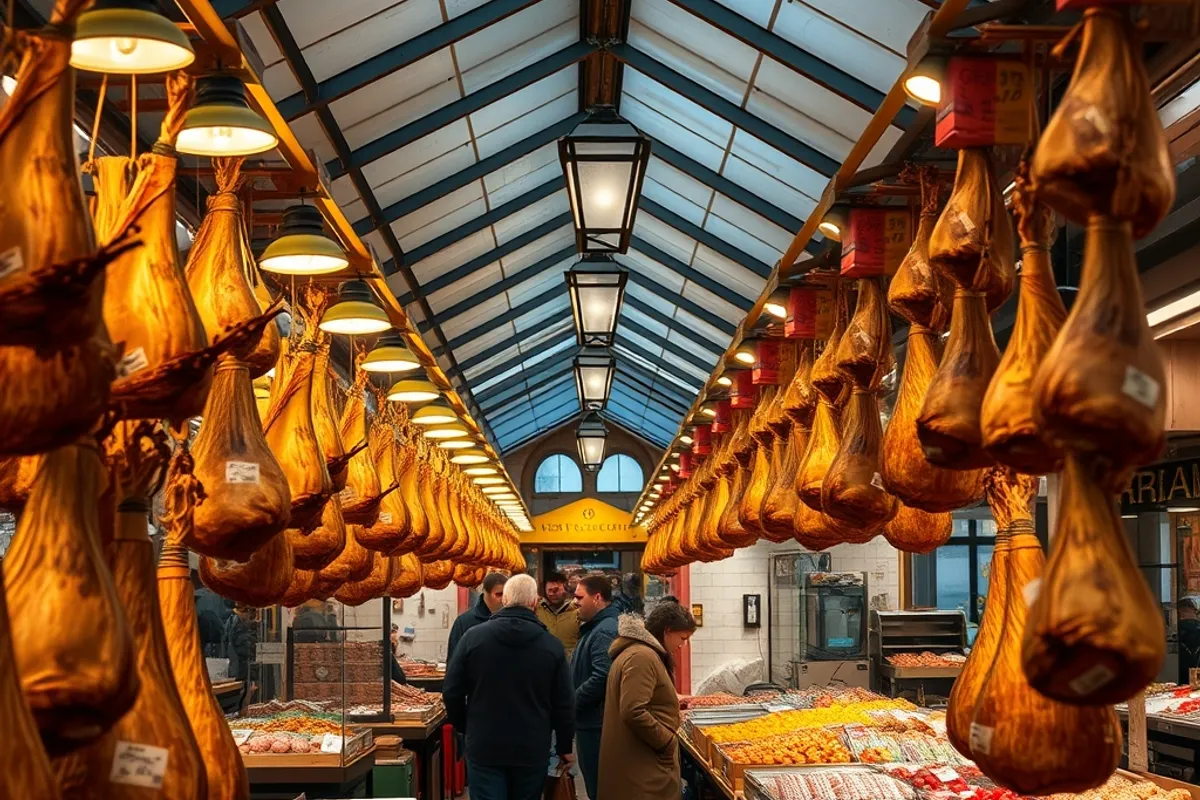
A market is the shortest route into a food culture. You see what is in season, what locals queue for and what things cost before a restaurant turns them into a menu. One morning at a good market teaches you more about a city than three dinners.
It is also the best value in travel. For the price of a single main course you can taste five things, talk to the people who made them and leave with a picnic for later. The trick is to arrive early, carry cash and follow the longest local queue.
Key facts
- Most European food markets open early and close by mid-afternoon.
- Budget €10 to €25 for a full market meal.
- Cash still rules at many stalls; cards are increasingly accepted but not guaranteed.
- Arrive before 10am for the best produce and the shortest queues.
- Avoid Monday, when many markets are closed.
Seven markets worth the trip
Start with La Boqueria in Barcelona for cured meat, jamón and fresh juice, then move to Testaccio in Rome for offal, pasta and a proper sit-down lunch. In Lisbon, Time Out Market mixes old stalls with new chefs, while Borough Market in London remains the benchmark for British produce and cheese.
In Paris, Marché des Enfants Rouges is the oldest covered market in the city and still feels like a neighbourhood secret. Budapest Great Market Hall delivers paprika, langos and a view over the Danube, and Vienna Naschmarkt pairs produce with a long run of small restaurants. Each one rewards an early start.
What to order, and what to skip
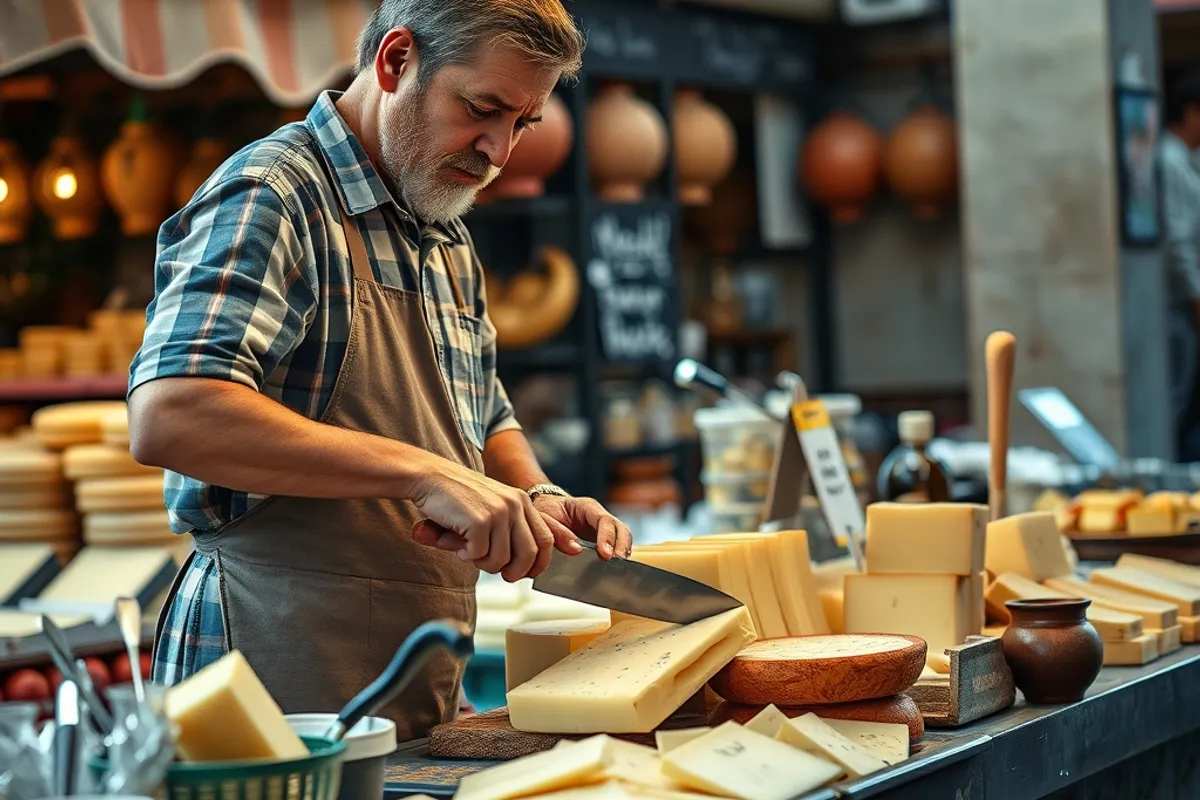
Order what the stall specialises in. A cheese counter is not the place for a hot sandwich, and a fish stall is not the place for pastries. Look for a short menu, a queue of locals and a person behind the counter who is happy to explain what they are selling.
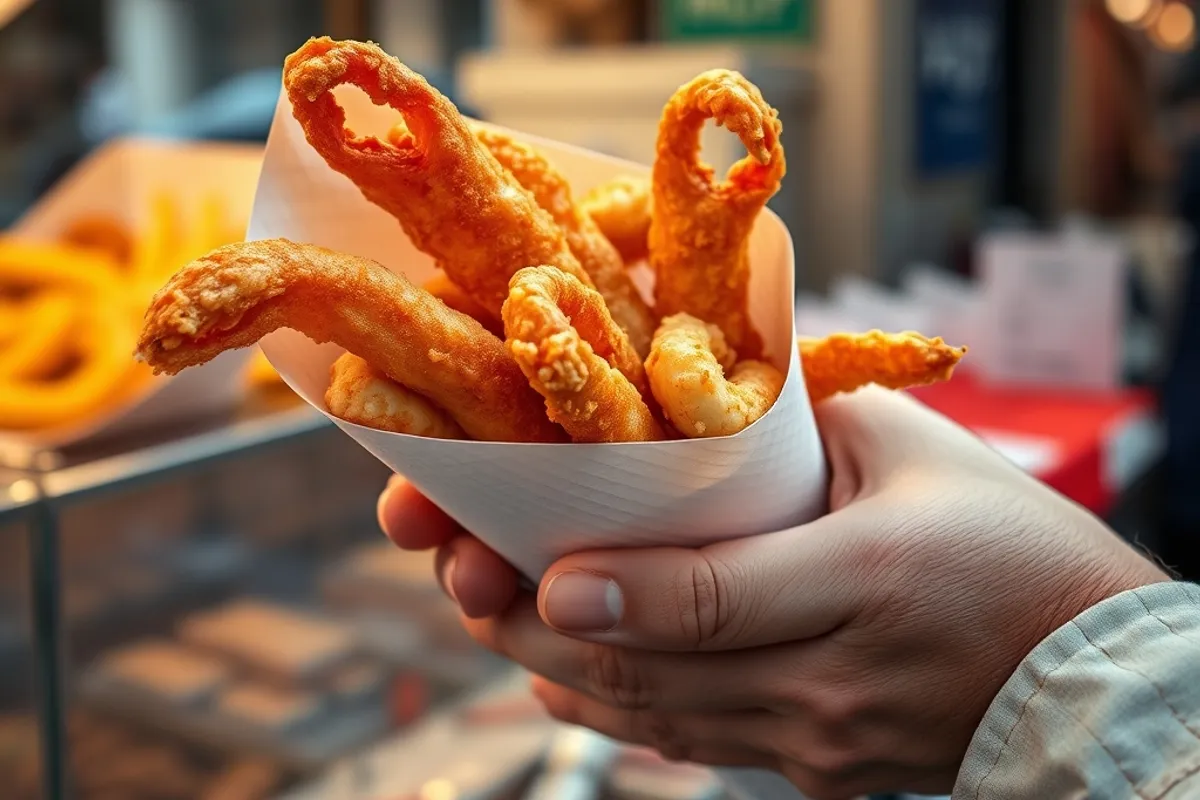
Skip anything that looks designed for photographs rather than eating: towering cones of fried food, neon drinks and fruit cups cut hours earlier. Ask for a small portion first. If it is good, go back. That is how you avoid a €15 disappointment and find the thing you will remember.
Timing is the whole game
Markets have two lives. The early hours belong to locals buying produce, and the food is at its freshest. By 11am the tourist tide arrives, and by 2pm many stalls are packing up. Go early, eat breakfast there and treat lunch as a second visit if you have the appetite.
Check the weekly schedule before you travel. Many markets close on Sunday or Monday, and some halls have a half-day. A market that is closed is a wasted morning, especially if you planned the trip around it. Confirm online and, if possible, with your accommodation host.
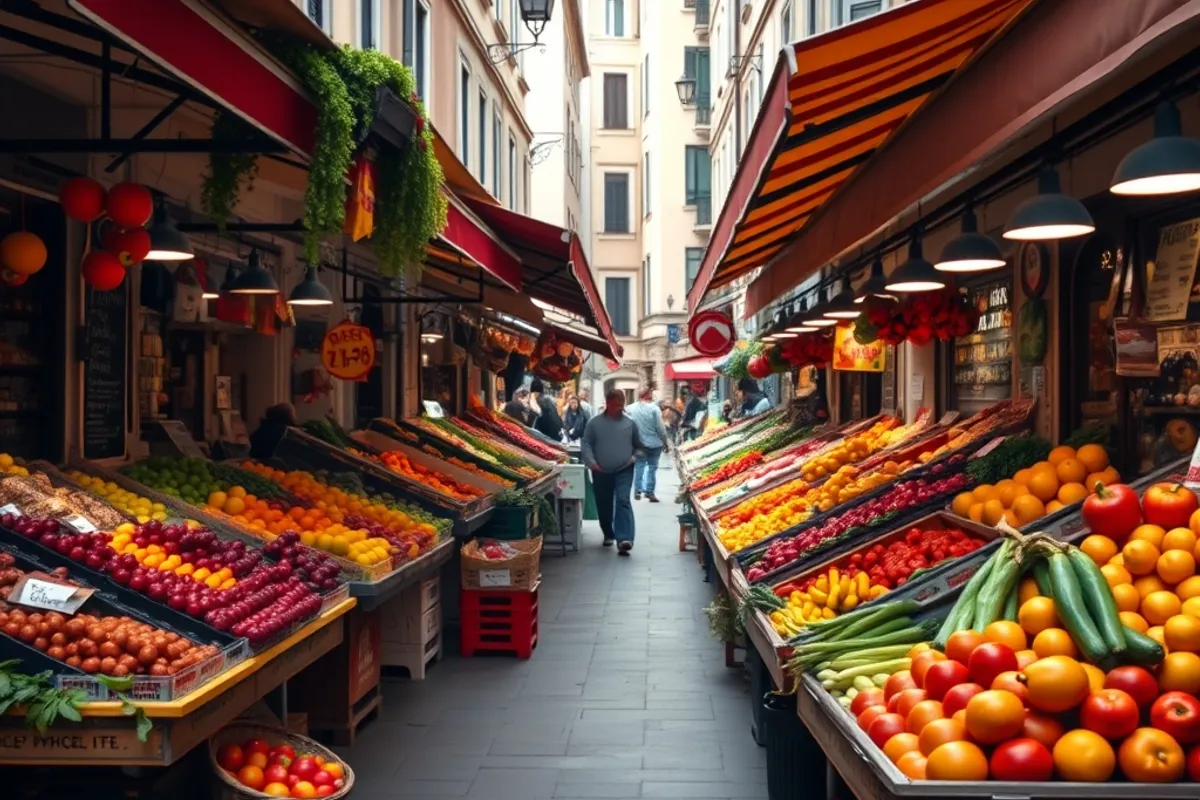
A market tells you the truth about a city before any restaurant gets the chance.
Market etiquette that earns better service
Greet the vendor, ask before you photograph and do not touch produce that is not yours. Say please and thank you in the local language, even badly. Keep your bag close and your money ready. These small things matter more than any guidebook tip.
If you are buying several things, buy them one at a time and pay as you go. Do not hold up a queue with a complicated order while you search for coins. And if a vendor gives you a taste, buy something. It is a conversation, not a free sample counter.

A realistic market budget
Set aside €10 to €25 for a full meal, depending on the city. London and Paris sit at the top of that range; Lisbon, Budapest and Rome are kinder. Coffee costs €2 to €4, a glass of wine €4 to €7 and a generous cheese plate €8 to €15.
Carry cash in small notes and keep a card as backup. Budget a little extra for the thing you did not plan to buy: the jar of honey, the olive oil, the bag of cherries. Those are usually the best souvenirs, and they survive the flight better than a fridge magnet.
Where to start
If you have one market morning, choose the one closest to where you are staying and go at opening time. The best market is not the most famous one; it is the one you can reach before the crowds and leave with a bag full of things you want to eat.
To build a full food itinerary around these stops, read our culinary tour planning guide, then browse Culinary Tourism for more regional guides.
Official source: slowfood.com.