Shoulder season is the band between peak and off-season, when the weather is still workable but the crowds have gone. In Europe that usually means April to May and September to October. In the tropics it depends on the rains, and in the southern hemisphere the calendar flips entirely.
The reward is real: lower prices, easier bookings and a version of a place that locals recognise. The trade-off is uncertainty. Some businesses close, some ferries run less often and the weather can turn. Plan for flexibility and the trade-off is worth it.
Key facts
- Shoulder season usually means April to May and September to October in Europe.
- Prices can fall 20 to 40 percent versus July and August.
- Some coastal businesses close by late October; check before booking.
- Weather is less predictable, so build one flexible day into every three.
- Fewer crowds mean better access to popular museums and trails.
Europe: the classic shoulder window
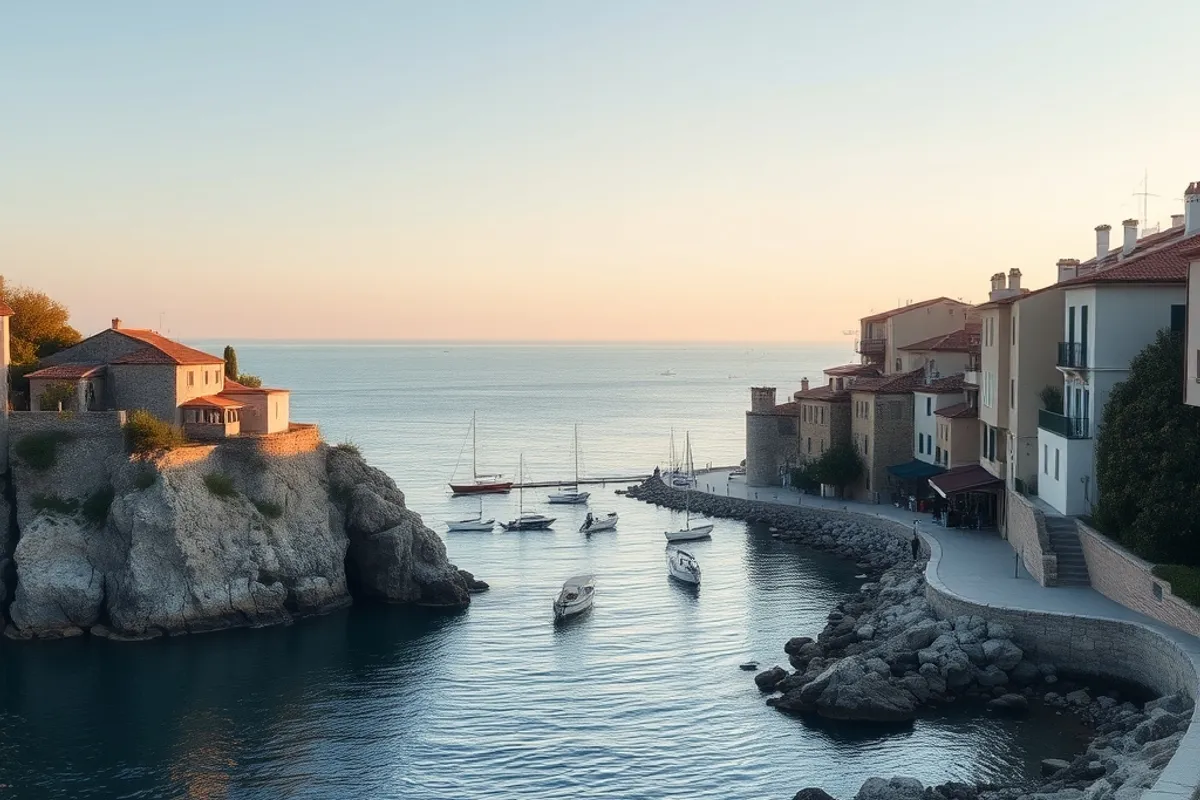
May and September are the safest bets across southern Europe. The sea is warm enough to swim in September, the light is long and the major sights are manageable before 10am. April is cheaper but cooler, and October is lovely until the rain arrives in the west.
Book coastal accommodation early even in shoulder season; the best places still fill up at weekends. Check whether restaurants and beach clubs are open, especially in Greece, Croatia and the Balearics, where many close by mid-October.
Deserts: the window is narrow and worth it
Desert regions have their own shoulder logic. In the Sahara, October to November and February to March bring warm days and cold but manageable nights. Deep winter is beautiful but can freeze, and late spring starts to bake. Avoid the summer entirely.
In the Atacama and the American southwest, spring and autumn deliver clear skies and comfortable hiking. Check the wind and the lunar calendar if you plan to stargaze, and book guided trips early because operators run fewer departures outside peak season.
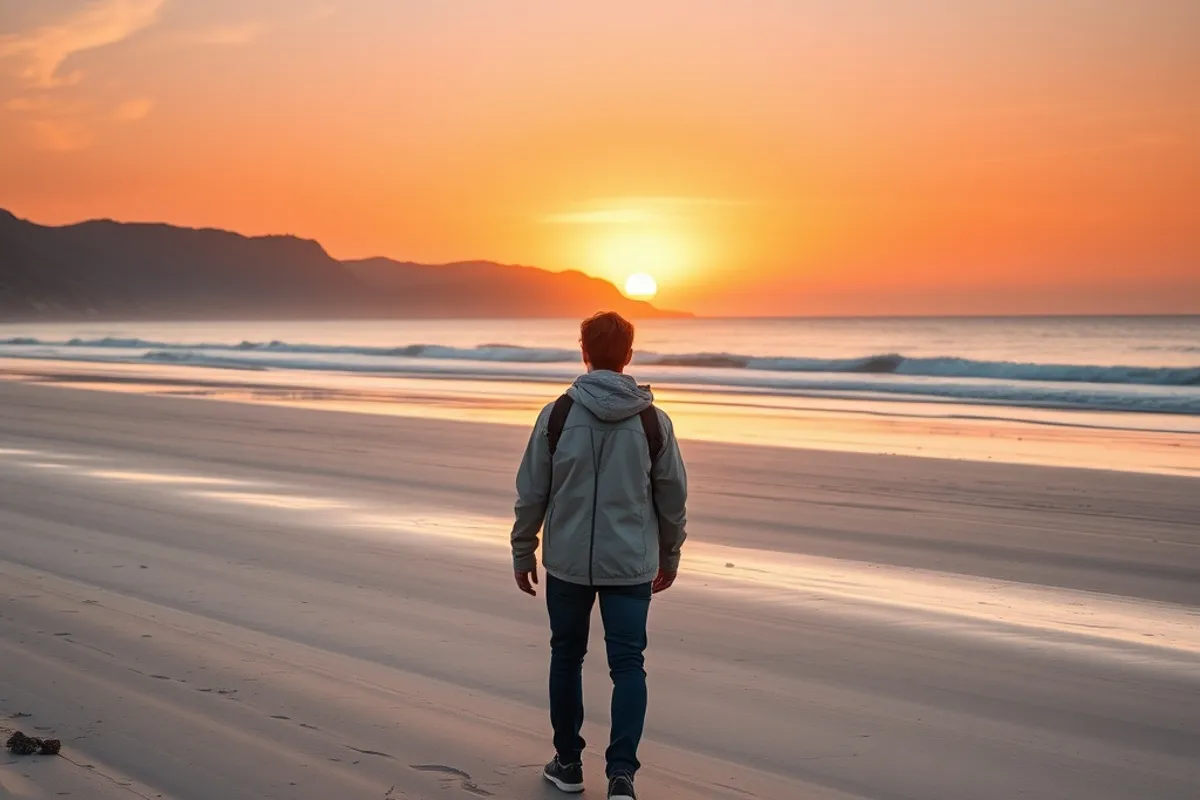
Mountains: between the seasons
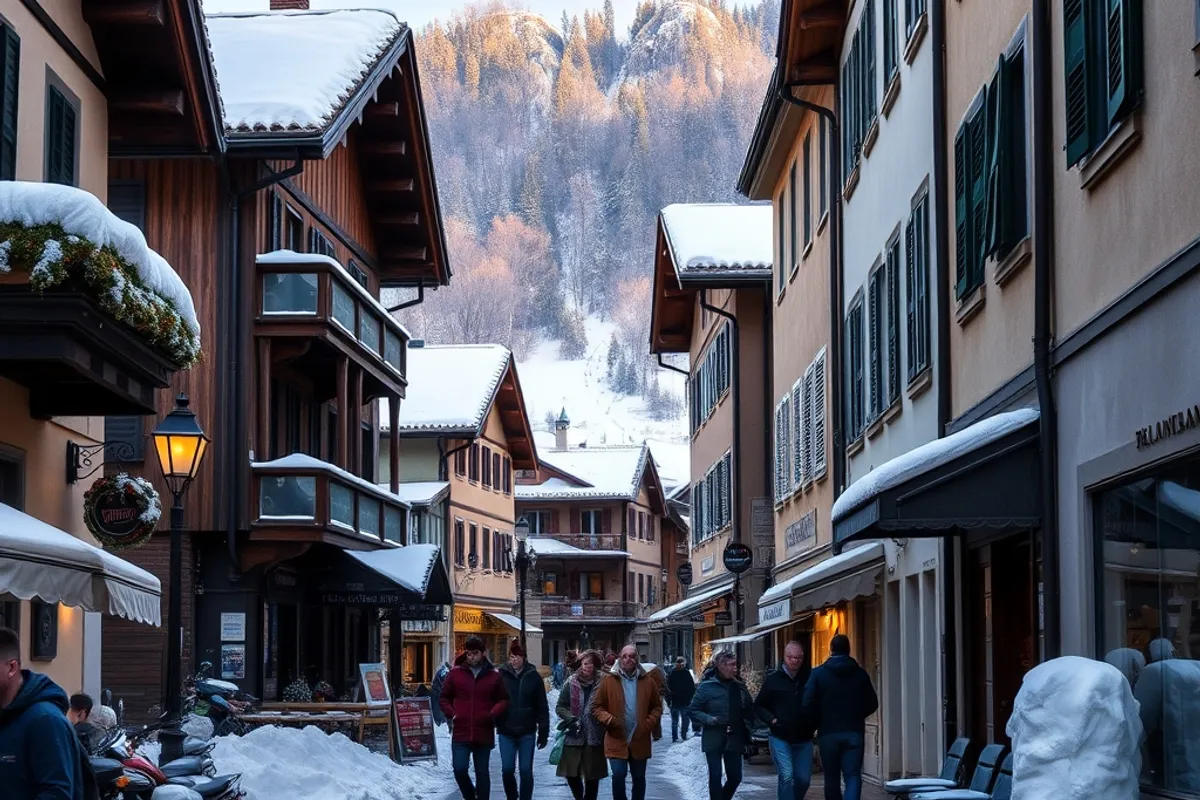
Mountain shoulder seasons are the trickiest. In the Alps, late spring and early autumn sit between ski and hiking seasons, and many lifts and huts are closed. The upside is quiet trails and cheap rooms, provided you check what is actually open and carry the right gear.
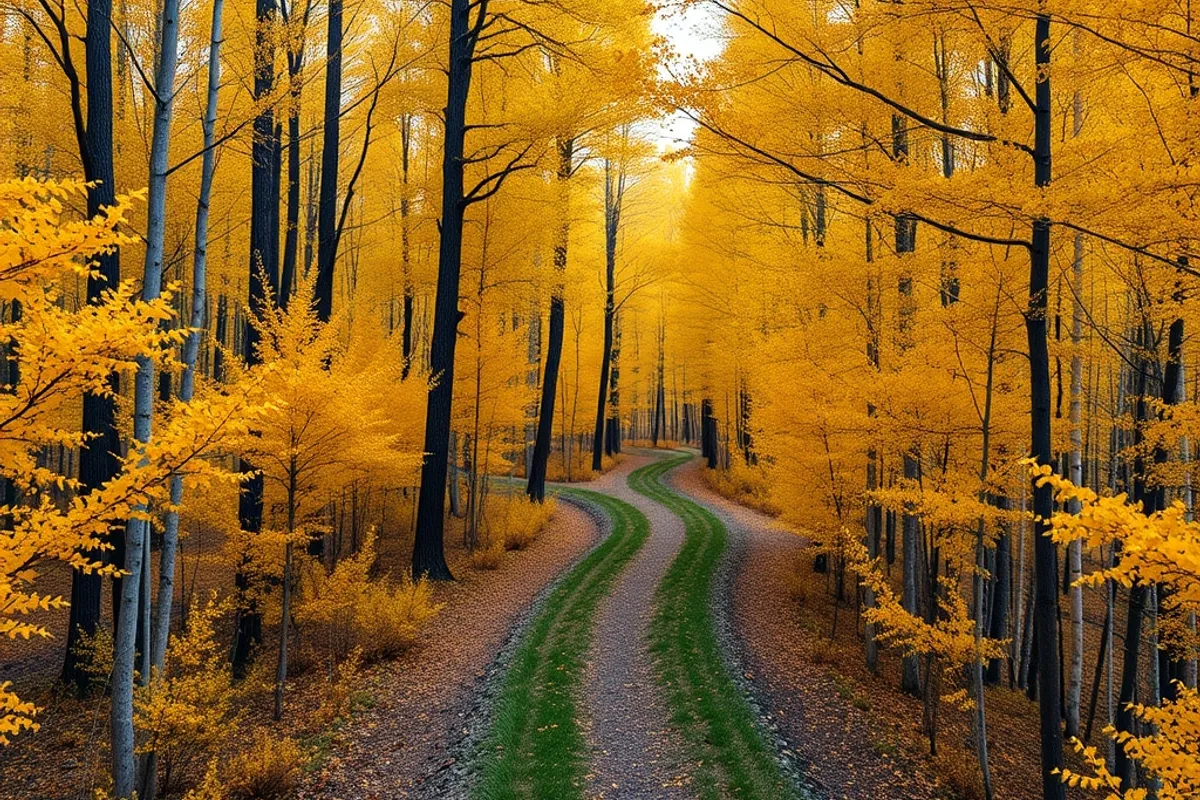
The best mountain shoulder weeks are usually late September and early October, when the larches turn gold and the snow has not arrived. In North America, September in the Rockies is superb for hiking and wildlife, but weather can shift from sun to snow within a day.
Shoulder season is the travel industry best-kept open secret. The place is the same; the crowd is not.
Plan for flexibility, not perfection
Build one flexible day into every three. Shoulder season weather is less predictable, and a free day lets you move the hike, the boat trip or the long drive to the better window. Book refundable rates where the price difference is small, and keep the first and last day light.
Pack layers rather than a single climate. A waterproof shell, a warm mid-layer and comfortable shoes cover most shoulder-season scenarios. Check sunrise and sunset times, because shorter days change how much you can realistically fit into an afternoon.
The risks to watch
The main risks are closed businesses, reduced transport and fast-changing weather. Confirm ferry and bus schedules a week before you travel, and have a backup plan for the day a hike is rained off. In remote areas, check that your accommodation has heating and that the road is passable.
Travel insurance matters more in shoulder season because cancellations are more likely. Read the weather and delay clauses before you buy. Save emergency numbers offline, and keep enough cash for a night you did not plan to stay.
Where to go first
For a first shoulder-season trip, choose southern Europe in September or the American southwest in October. The weather is reliable, the crowds are thin and the prices are kind. Once you are comfortable with the uncertainty, try the mountains or the desert edges.
To make the budget side work harder, read our travel planning on a budget guide, then browse Travel Planning for more timing advice.
Official source: unwto.org.