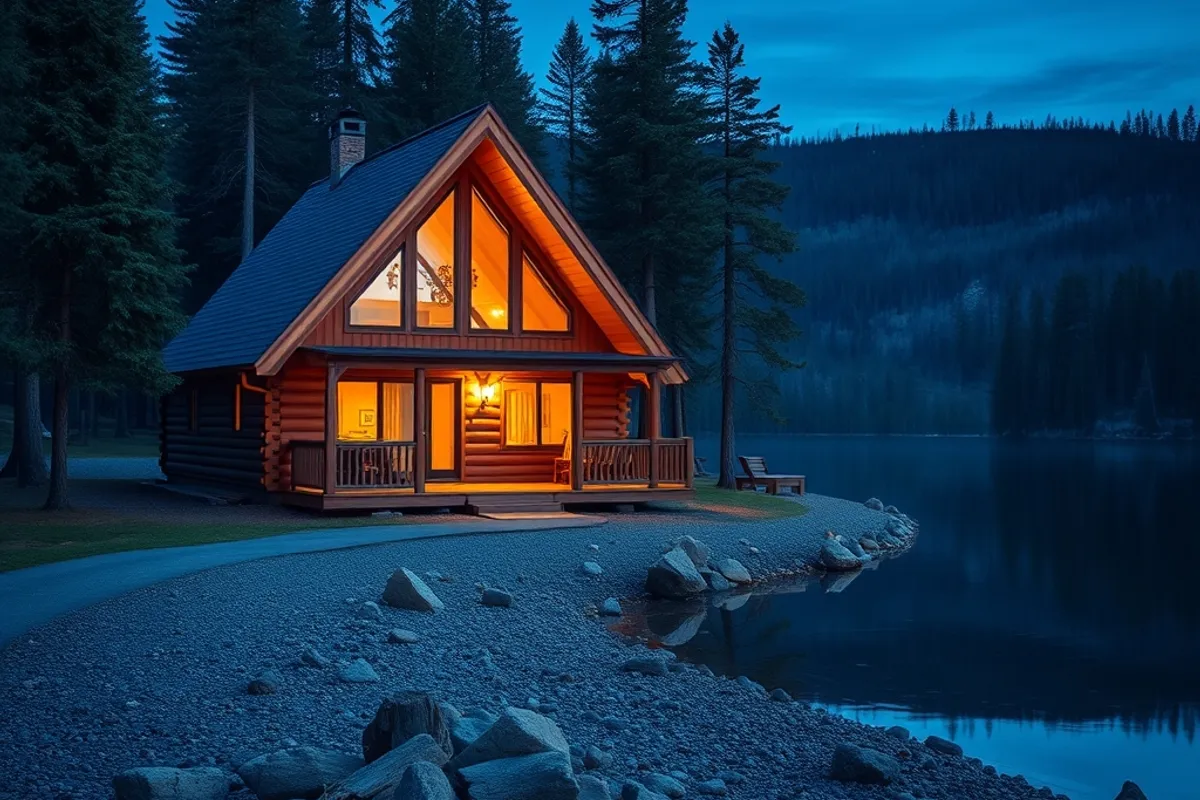
Off-grid does not mean primitive, but it does mean the systems are finite. Power comes from a battery that can run flat. Water comes from a tank that can empty. Heat comes from wood you may have to split. The trip is comfortable when you plan around those limits instead of discovering them at night.
Before packing, ask the host what is supplied and what is not. Confirm the toilet type, the water source, the cooking fuel and the mobile signal. Then pack for one extra day beyond your booking. Weather and roads can delay a departure, and a cabin is a poor place to run out of essentials.
Key facts
- Assume no mains power; bring two light sources per person.
- Carry at least 5 litres of drinking water per person per day if the cabin has no well.
- A first aid kit and a paper map matter more than streaming subscriptions.
- Layers beat a single thick jacket when the wood stove goes out at 3am.
- Leave the cabin with more fuel and food than you arrived with.
Light and power: two of everything
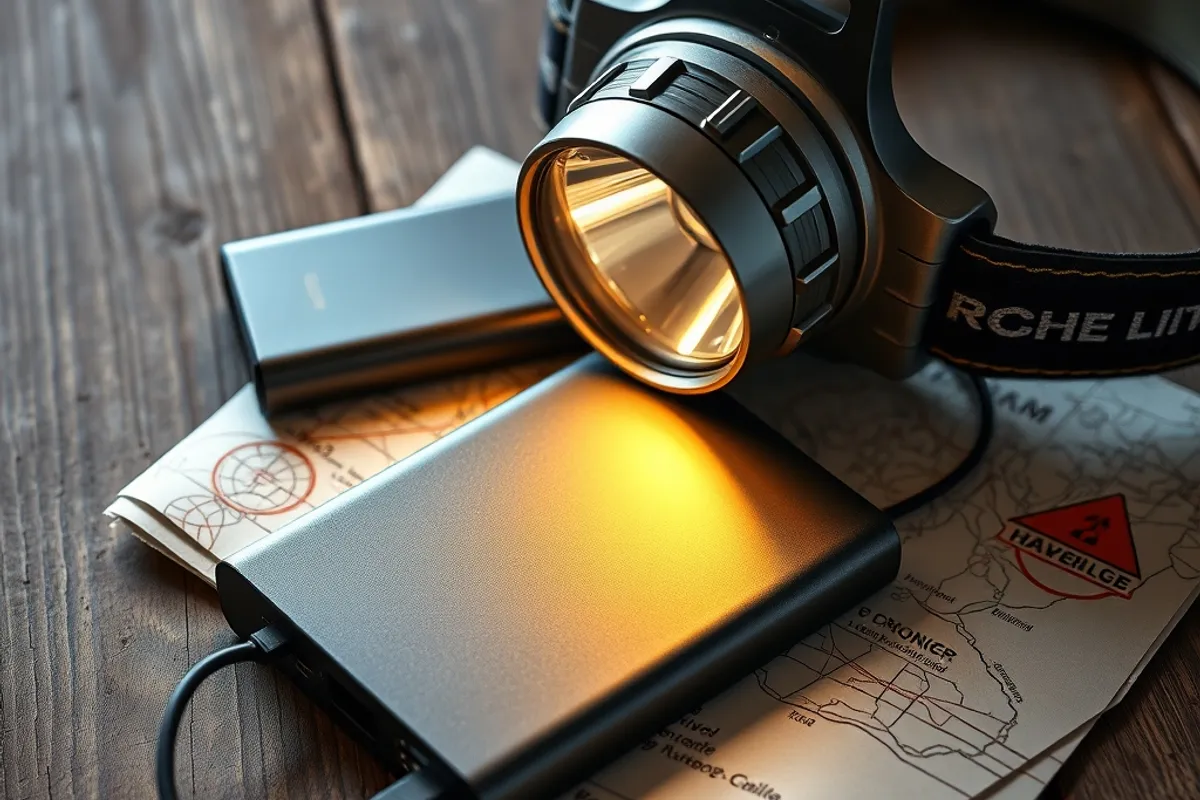
Bring a headlamp and a small lantern per person, plus spare batteries for both. Headlamps keep your hands free for cooking and reading, while a lantern makes a room feel lived in. A rechargeable power bank with a solar panel is useful, but do not rely on winter sun to fill it.
Pack a car charger, a long USB cable and a multi-plug adapter. If the cabin has a 12V system, bring a suitable cable. Leave high-draw appliances at home: a travel kettle and a phone charger are realistic, a hair dryer is not.
Water and food you can actually cook
If the cabin has no safe well, carry at least five litres of drinking water per person per day. Add water for cooking and washing, and store it in the shade. A wide-mouth jerrycan is easier to fill and pour than a stack of small bottles, and it packs better in the boot.
Plan meals that need one pot and little water: pasta, rice, lentils, soup and eggs. Bring coffee, tea and a manual grinder if you care about mornings. Pack food in hard containers to keep animals out, and take all food waste away with you rather than leaving it in the cabin.
Warmth in layers, not one big coat
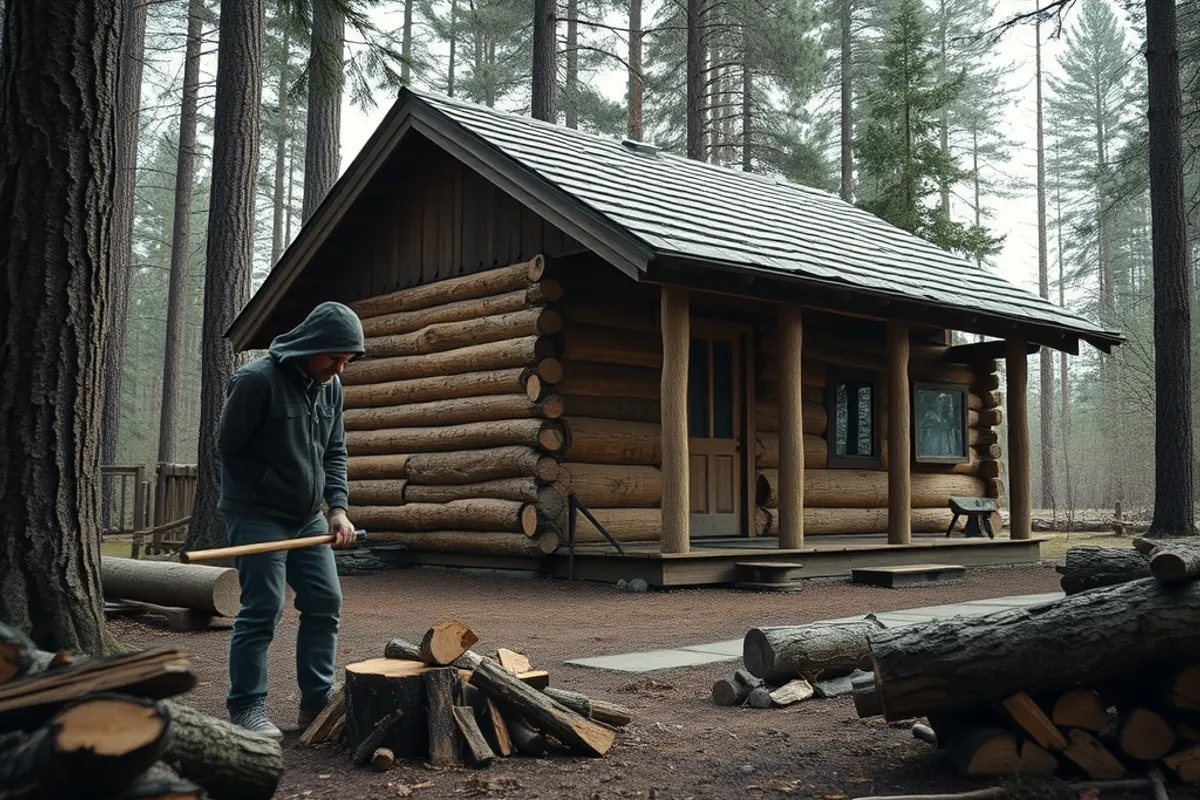
Cabins heat unevenly. The stove side of the room can be 24°C while the bedroom sits near 8°C. Pack thermal base layers, a fleece, a warm hat and thick socks. A sleeping bag liner adds warmth without bulk, and a hot water bottle is the cheapest comfort item you can carry.
Check whether firewood is included and whether it is seasoned. Wet wood produces little heat and a lot of smoke. Bring a lighter, firelighters and a small axe if the host does not supply them. Never burn treated wood or plastic, and keep a carbon monoxide alarm if the cabin has a fuel stove.
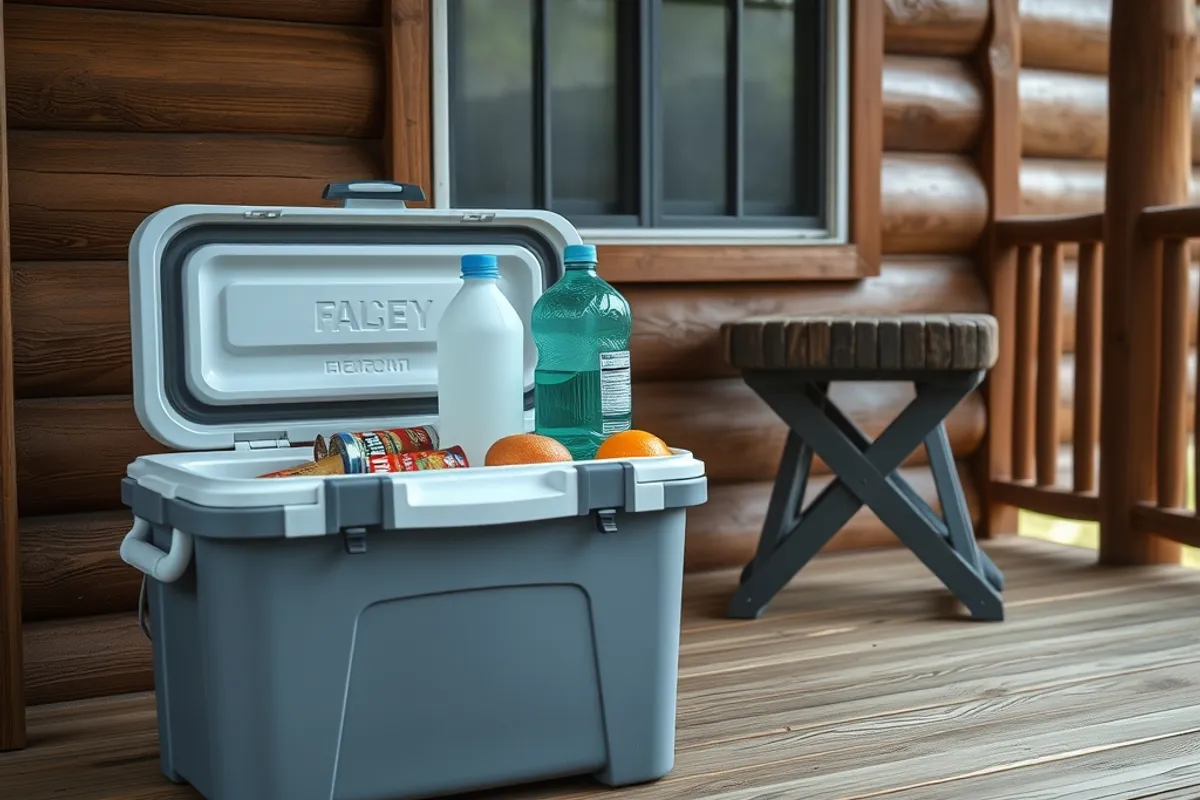
Off-grid comfort is not about bringing more. It is about bringing the right twenty things.
Safety gear for places without signal
Carry a basic first aid kit, any personal medication, a whistle and a paper map of the area. A satellite messenger is worth the cost if you hike alone or drive remote roads. Tell someone your route and your expected return time, and stick to it.
Pack a fire extinguisher or a fire blanket, a torch, and a small tool kit with duct tape and cable ties. Check the cabin smoke alarm on arrival and test the carbon monoxide alarm if there is one. These items weigh little and turn a crisis into an inconvenience.
Small comforts that change the stay
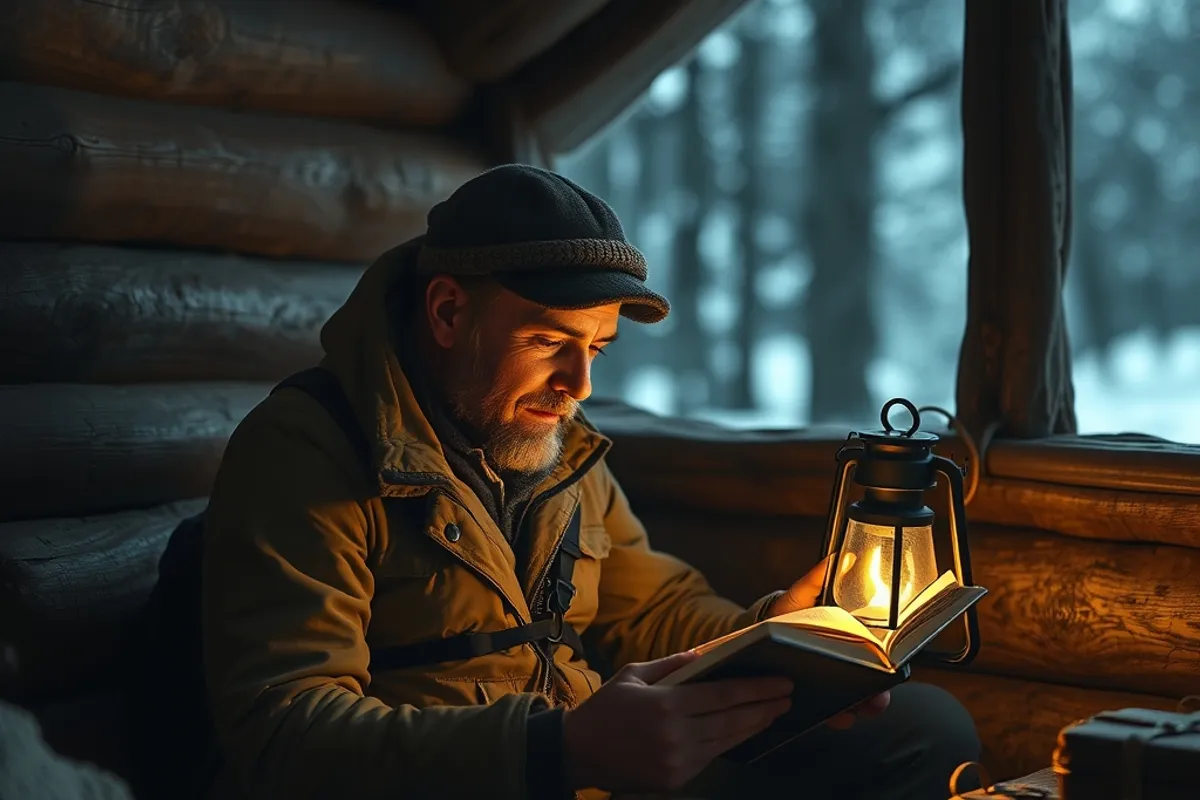
A good book, a deck of cards and a pair of binoculars fill the hours that a screen would otherwise take. Bring a French press or a pour-over cone if coffee matters, and a small speaker if the cabin allows music. Earplugs help with wind, rain and the occasional generator.
Pack a quick-dry towel, biodegradable soap and a clothesline. A folding chair makes the porch usable, and a lantern on the table makes dinner feel like an event. These are not luxuries in an off-grid cabin; they are the difference between coping and enjoying.
The fifteen-item shortlist
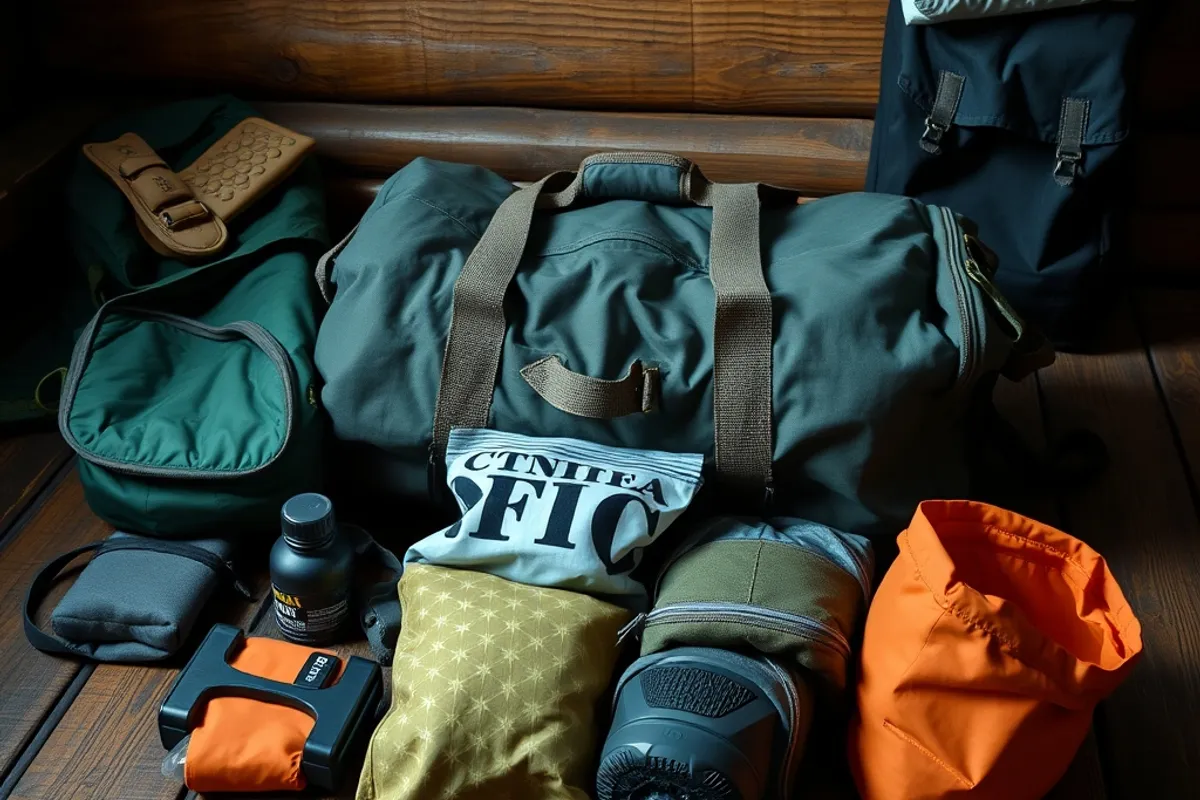
Headlamp, spare batteries, lantern, power bank, USB cables, water containers, one-pot food, coffee kit, thermal layers, warm hat and socks, sleeping bag liner, first aid kit, satellite messenger, firelighters and a paper map. Add personal medication and a good book, and you are ready.
If this is your first remote stay, read our guide to the best cabin stays in North America to choose a place that matches your comfort level, then explore Cabin Stays for more practical advice.
Official source: ready.gov.