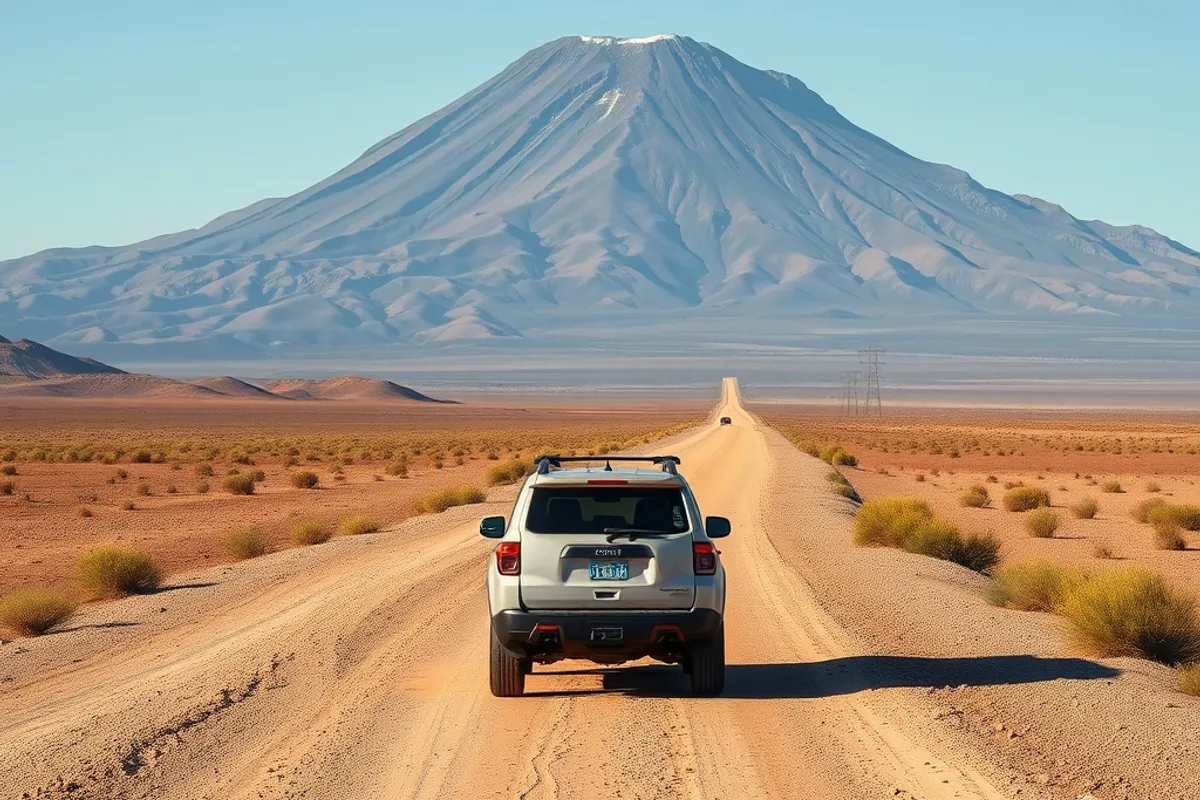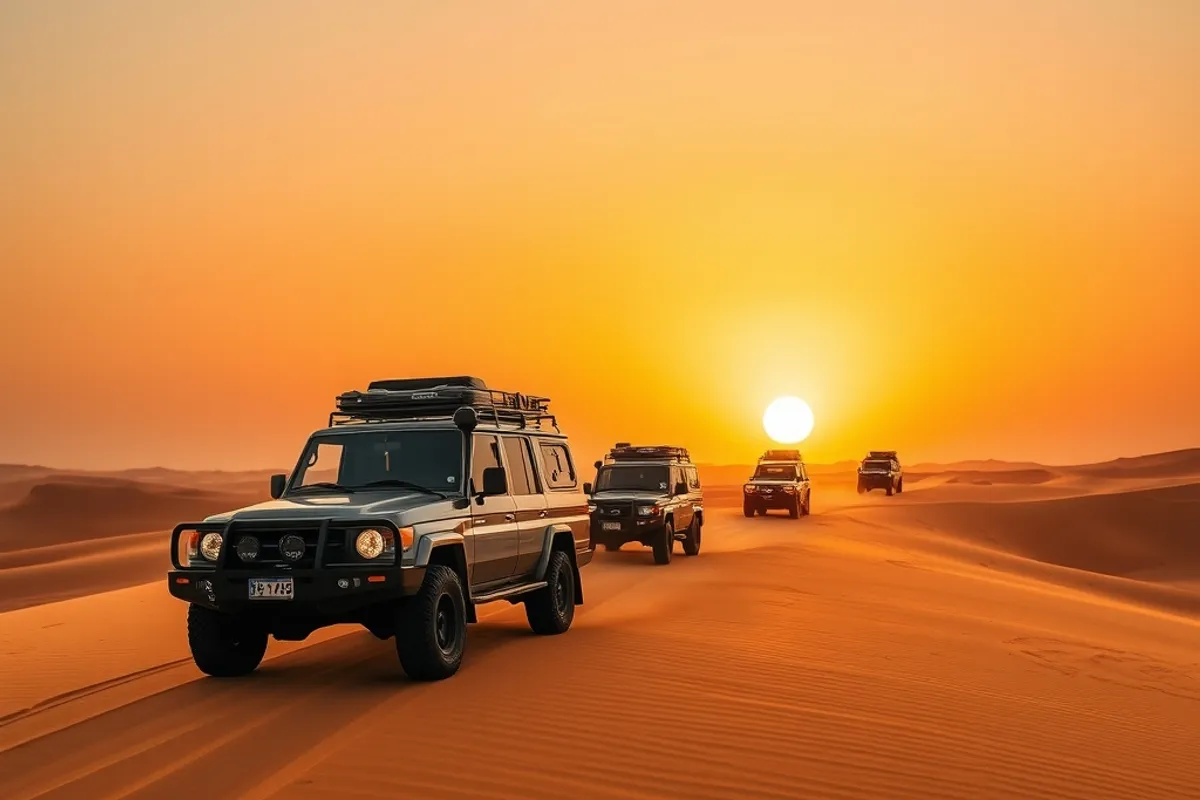
The Sahara is not one place, and it is not equally hostile all year. In July and August the interior can hold 45°C for days, which turns a routine drive into an emergency. From October to March the days are warm, the nights are cold and the light is long and clean.
Book around the edges of that window if you can. November and February often bring the best balance of temperature and clear skies, while December nights in the high desert can freeze a water bottle solid. Check the forecast for the specific region, not just the country.
Key facts
- Daytime Sahara temperatures can pass 45°C; nights can drop below 5°C.
- Carry at least 4 litres of water per person per day, and more when driving dunes.
- Fine sand destroys camera gears and air filters; seal both.
- Travel with a licensed guide and a satellite messenger; phone coverage is patchy at best.
- The best season runs from October to March.
Water maths beats water optimism
Plan four litres per person per day as a baseline, then add two more for dune driving, cooking and washing. A group of four on a ten-day crossing needs more than 300 litres with a reserve. Store it in opaque containers, in the shade, and treat it as inventory, not a tap.
Keep one sealed emergency jerrycan that nobody drinks from unless the trip goes wrong, and check it every morning. Dehydration in the desert is rarely dramatic; it arrives as a headache, then confusion, then a decision that puts everyone at risk.
The vehicle is a system, not a model
A capable 4x4 matters less than its condition. Before you leave, inspect tyres for sidewall damage, check the cooling system and replace the air filter. Carry two spare tyres, a compressor, a tyre repair kit, a shovel and recovery boards. Sand will find every weakness.
Drive dunes early in the day when the sand is firmer, and never crest a dune blind. Send one person ahead on foot to check the far side. Tyre pressure matters: dropping to around 1.0 to 1.2 bar improves flotation, but you must reinflate before long tarmac sections.
Navigation when the phone says nothing
Do not rely on a phone for desert navigation. Carry a dedicated GPS unit with offline maps, a paper map, a compass and a satellite messenger. Tell a responsible person your route, your vehicle and your expected check-in times before you leave the last town.
Desert tracks fork constantly and many end at a dry well. Record waypoints at every camp and junction. If you become uncertain, stop and go back to the last known point rather than pressing forward. Fuel spent reversing is cheaper than fuel spent lost.
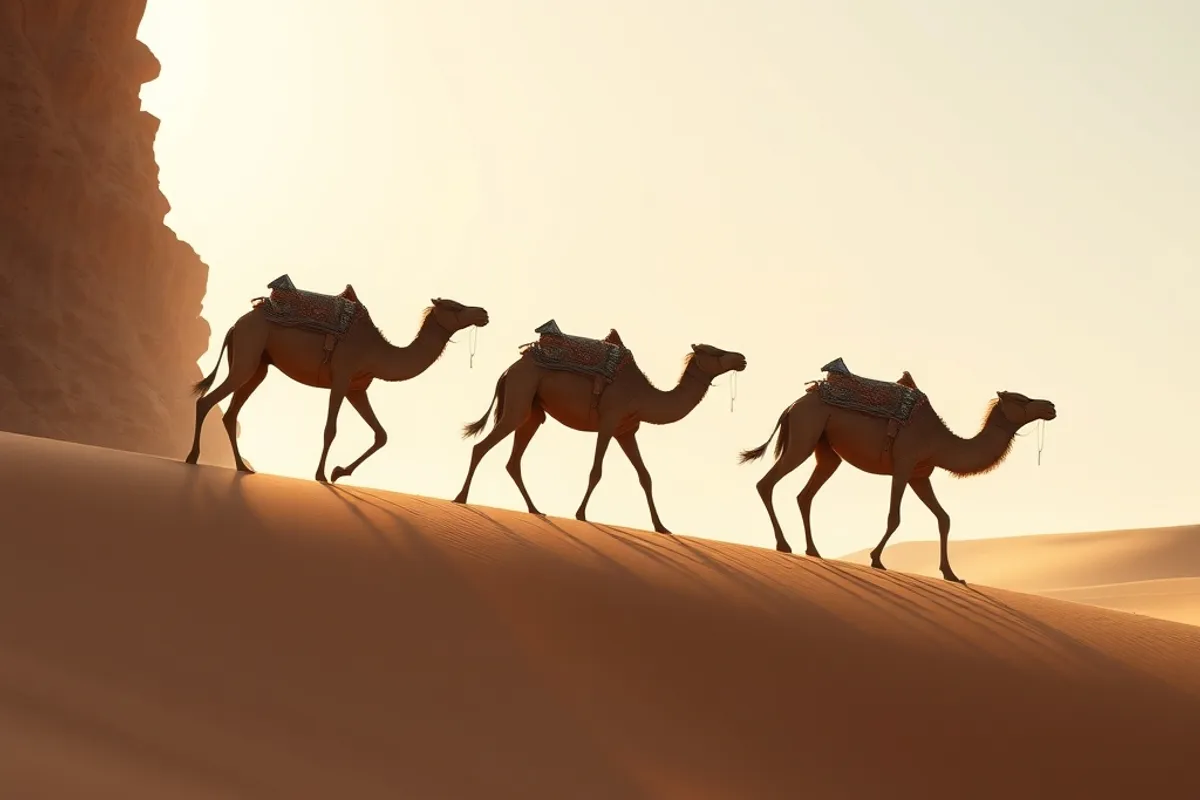
The desert does not reward the strongest traveller. It rewards the best prepared one.
Camp craft that keeps the group calm
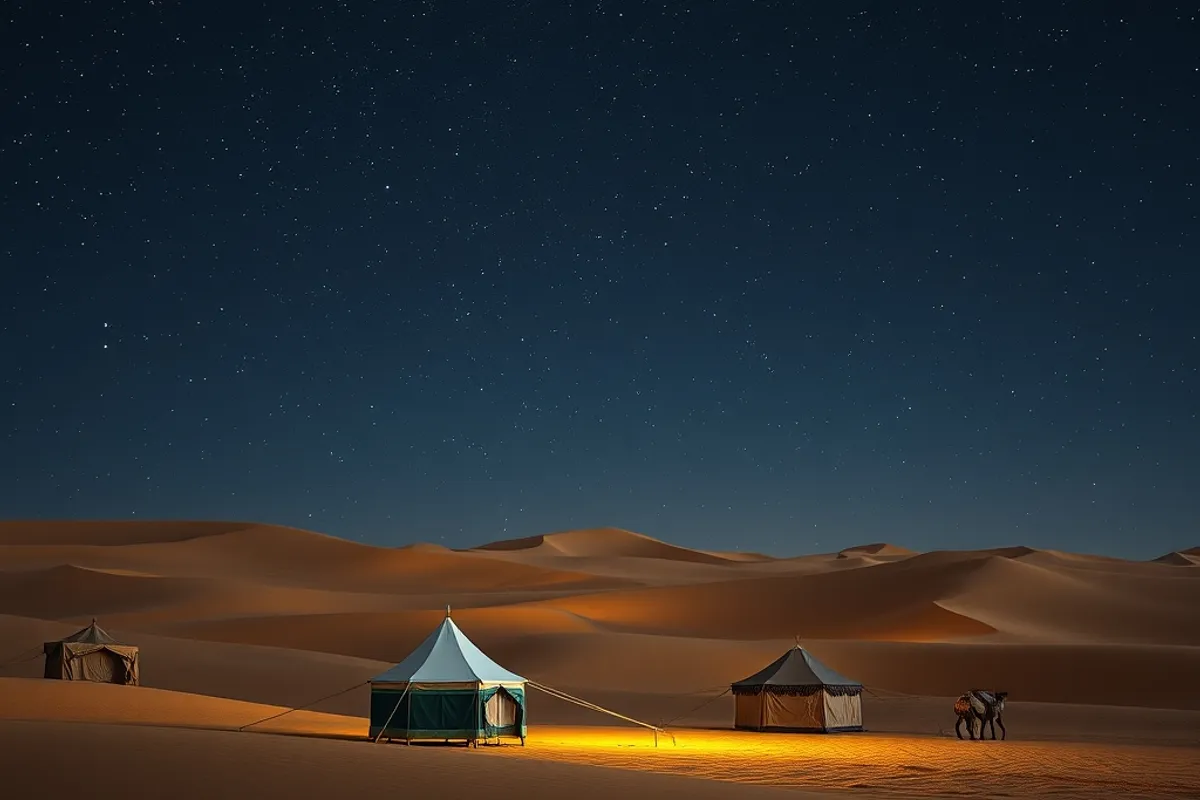
Set camp before dark, on flat ground away from dry riverbeds where flash floods can arrive from storms you never see. Face tents away from the prevailing wind, secure guy lines with sand pegs and keep boots inside. A night of blown sand is a night without sleep.
Cook with a windshield and never inside a closed tent. Keep a headlamp within reach and a small fire extinguisher or sand bucket near the stove. The desert night is the best part of the trip when the camp is organised, and the longest when it is not.
Heat, cold and the quiet problems
Watch for heat exhaustion before it becomes heat stroke: headache, nausea, dizziness and stopped sweating. Move the person to shade, cool them with wet cloths and give small sips of water. If they become confused, treat it as an emergency and call for help.
Cold is the other risk. Desert nights near freezing are common in winter, and a tired group underestimates them. Pack a proper sleeping bag, a warm layer and a hat. Protect lips, eyes and hands from wind, and use sunscreen even when the sky is grey.
Leave the dunes as you found them
Pack out every piece of plastic, including the small bits that blow away from the camp kitchen. Bury human waste at least 30cm deep, well away from camp and water sources, and carry out sanitary products. Burn nothing that will leave foil or glass.
Respect local communities and ask before photographing people. The desert is a home, not a set. A guide who knows the families along the route will open doors that no amount of equipment can, and your trip will be better for it.
The rule that matters most
Every other rule depends on one habit: decide early and decide together. Turn back at the first sign of a problem, share the plan with everyone in the vehicle, and never let the schedule overrule the water, the weather or the vehicle.
If you are building a desert itinerary, pair this with our Atacama desert road trip guide for a very different kind of dry landscape, then browse Desert Expeditions for more route planning.
Official source: wmo.int.